
opening image: the kids enjoying an authentic virgin pina colada from a local vendor in labufadora in Ensenada, Mexico. This is a great way to enjoy the easy nice walk while shopping along a street full of vendors slowly descending down on top of a hill overlooking the pacific ocean down to the blowhole excursion.
Traveling with children can be a delightful adventure, and what better way to make it memorable than by introducing them to the diverse and delectable world of cuisine? In this article, we’ll explore why involving children in culinary experiences during travel is not just fun but also educational. From planning family-friendly culinary adventures to building lifelong healthy eating habits, we’ll uncover the secrets to creating unforgettable memories through food.
Why Introduce Children to the Culinary World?

.
Children are like sponges, absorbing knowledge from their surroundings. Introducing them to the culinary world provides a unique opportunity for learning. From understanding different cultures to expanding their taste buds, the benefits are numerous.
Educational and Cultural Benefits
Culinary experiences offer a hands-on approach to learning about history, geography, and traditions. Imagine the excitement of discovering the origins of pasta in Italy or the spices used in Indian cuisine. These experiences not only educate but also create lasting memories.
Expanding Palates
Children can be notoriously picky eaters, sticking to familiar dishes. Culinary travel opens up a world of flavors, encouraging children to try new foods. It’s a gateway to developing a more adventurous palate that will benefit them throughout their lives.
Planning Family-Friendly Culinary Travel
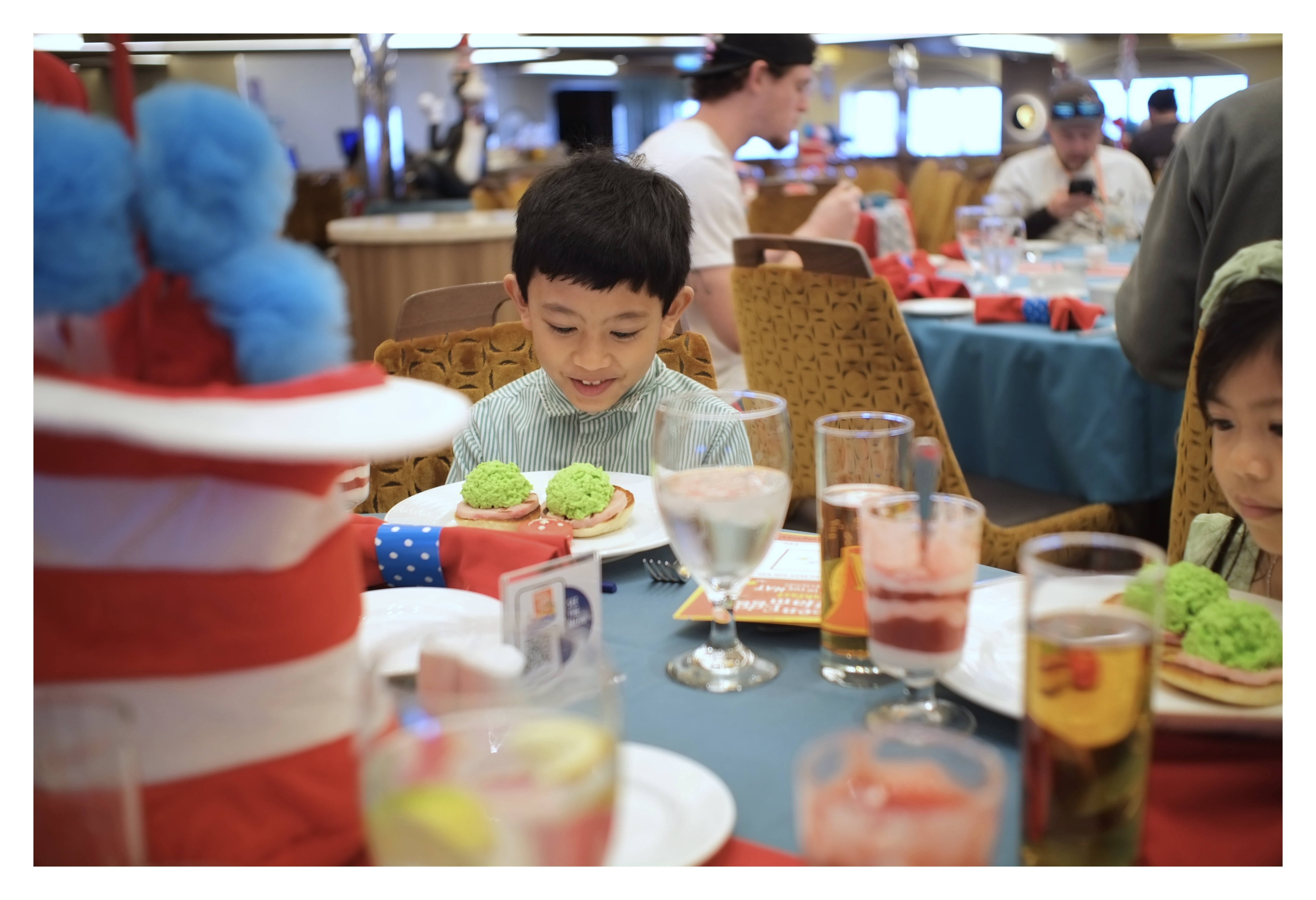
Green eggs breakfast with Cat in the Hat aboard the Carnival Radiance Cruise
The key to a successful culinary adventure with children is careful planning. Research family-friendly destinations that offer a variety of culinary experiences suitable for young taste buds. Look for restaurants with kid-friendly menus and interactive dining options.
Researching Family-Friendly Destinations
Not all destinations are created equal when it comes to culinary experiences for children. Look for places that boast a mix of street food, local markets, and family-friendly restaurants. Cities like Barcelona, Tokyo, and Melbourne are known for their culinary diversity and family-friendly environments.
Choosing Kid-Friendly Restaurants and Food Experiences
Once you’ve selected a destination, dive into the local culinary scene. Identify restaurants that cater to families with engaging menus and entertaining atmospheres. Additionally, explore food tours or workshops designed specifically for children.
Incorporating Learning into Culinary Adventures
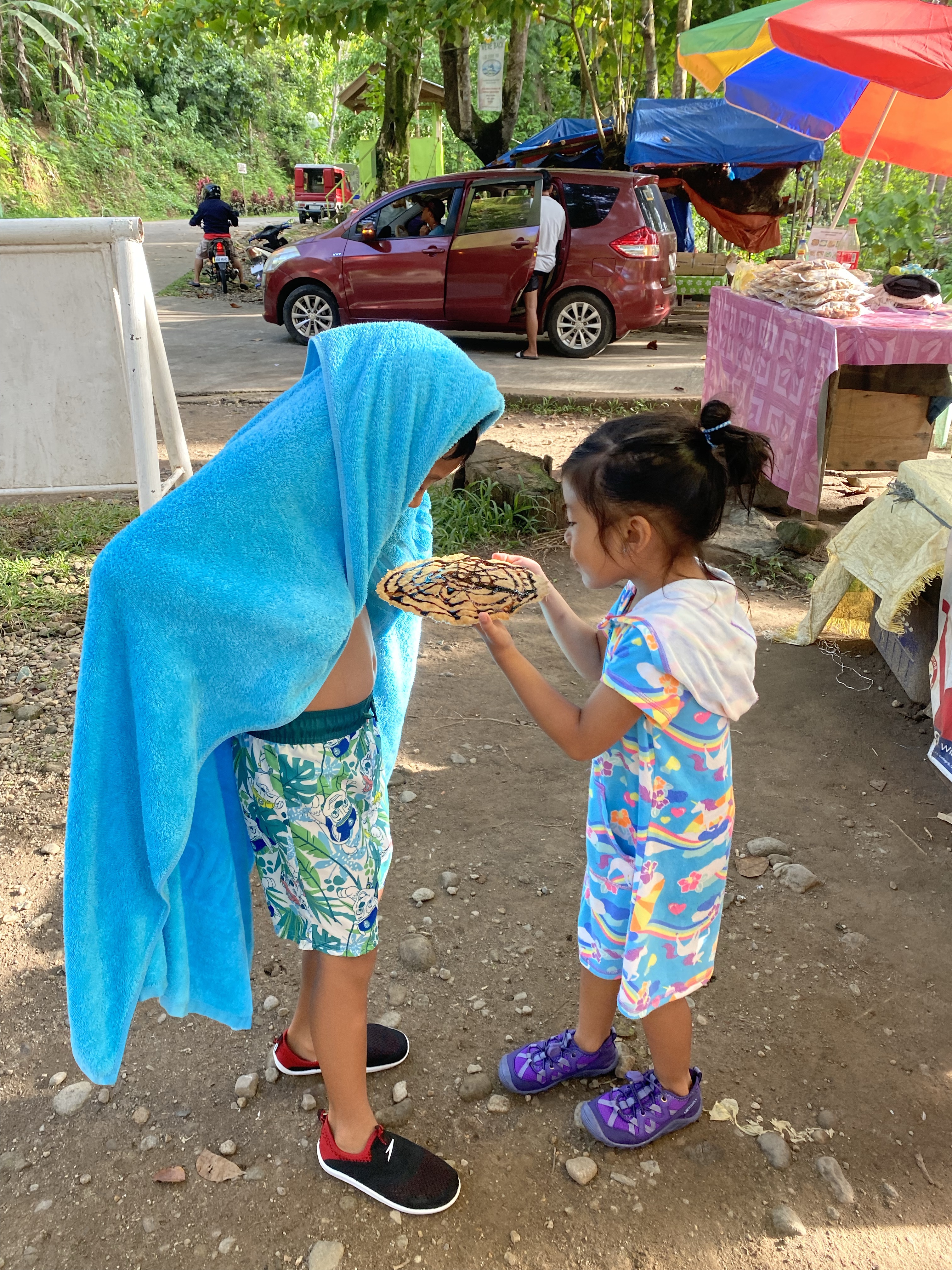
enjoying Kiping treat from a local vendor just outside the cold spring in Camiguin Islands, Philippines | Make the most of your culinary travel by incorporating learning moments for your children. This goes beyond just tasting new dishes; it involves understanding the ingredients and the process of creating a meal.
Visiting Local Markets and Explaining Ingredients
Take your children to local markets, where they can see and touch fresh ingredients. Explain the significance of each item and its role in local cuisine. This hands-on experience fosters a deeper understanding and appreciation for the food they eat.
Participating in Cooking Classes Designed for Kids
Many destinations offer cooking classes tailored to children. Enroll your little ones in these classes, where they can try their hand at creating local dishes. It’s a fun and interactive way to learn about different cooking techniques and cultural traditions. Our recent travel to Hanoi Vietnam in 2018 was just that. On board the Orchid Cruise, we were able to find a cooking session tailored towards family and even with small children.
The Art of Making Food Fun for Kids
.
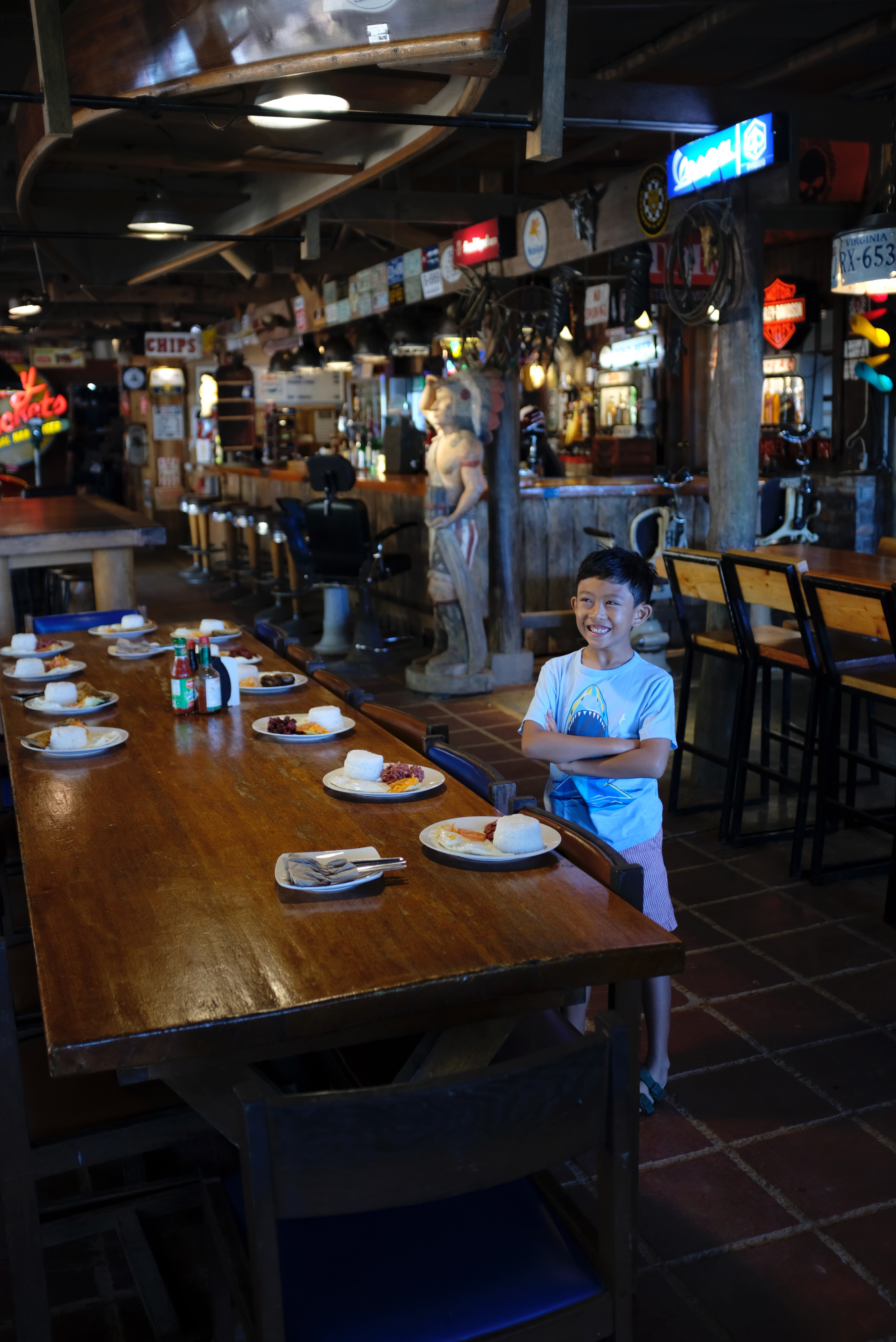
Camp Sabro’s enjoyable Filipino breakfast serving a cup of rice and the traditional egg and tapa or beef or an alternative protein choice of dried fish or corned beef served with sikwati or hot cocoa.
Turning ordinary meals into exciting adventures can make a significant difference in how children perceive food. Get creative in the kitchen and present dishes in a way that captivates their imagination.
Creative Ways to Present Food

The kids waking up to tito Mark’s pineapple treat | Maui, Hawaii
Make meals visually appealing by arranging food in playful shapes or creating themed dishes. A plate of vegetables can turn into a vibrant garden, and a simple sandwich can become a work of art. The more enticing the presentation, the more likely children are to try new things.
Turning Cooking into an Enjoyable Experience
Involve your children in the cooking process. Whether it’s mixing ingredients, chopping vegetables (under supervision), or setting the table, make it a family affair. Cooking together not only strengthens bonds but also instills a sense of pride in the finished product.
Navigating Dietary Restrictions with Ease

.
Traveling with children often involves accommodating various dietary restrictions. While this might seem challenging, with proper planning, it can be a breeze.
Tips for Dealing with Dietary Restrictions
Research restaurants in advance to identify those that cater to specific dietary needs. Many places offer allergy-friendly menus or can accommodate requests with advance notice. Communicate dietary restrictions clearly to chefs and servers to ensure a safe dining experience.
Finding Accommodating Restaurants and Chefs
Look for restaurants with chefs willing to customize dishes for children with dietary restrictions. A chef who understands the importance of catering to diverse needs can turn a potential challenge into a delightful culinary experience.
Building Lifelong Healthy Eating Habits

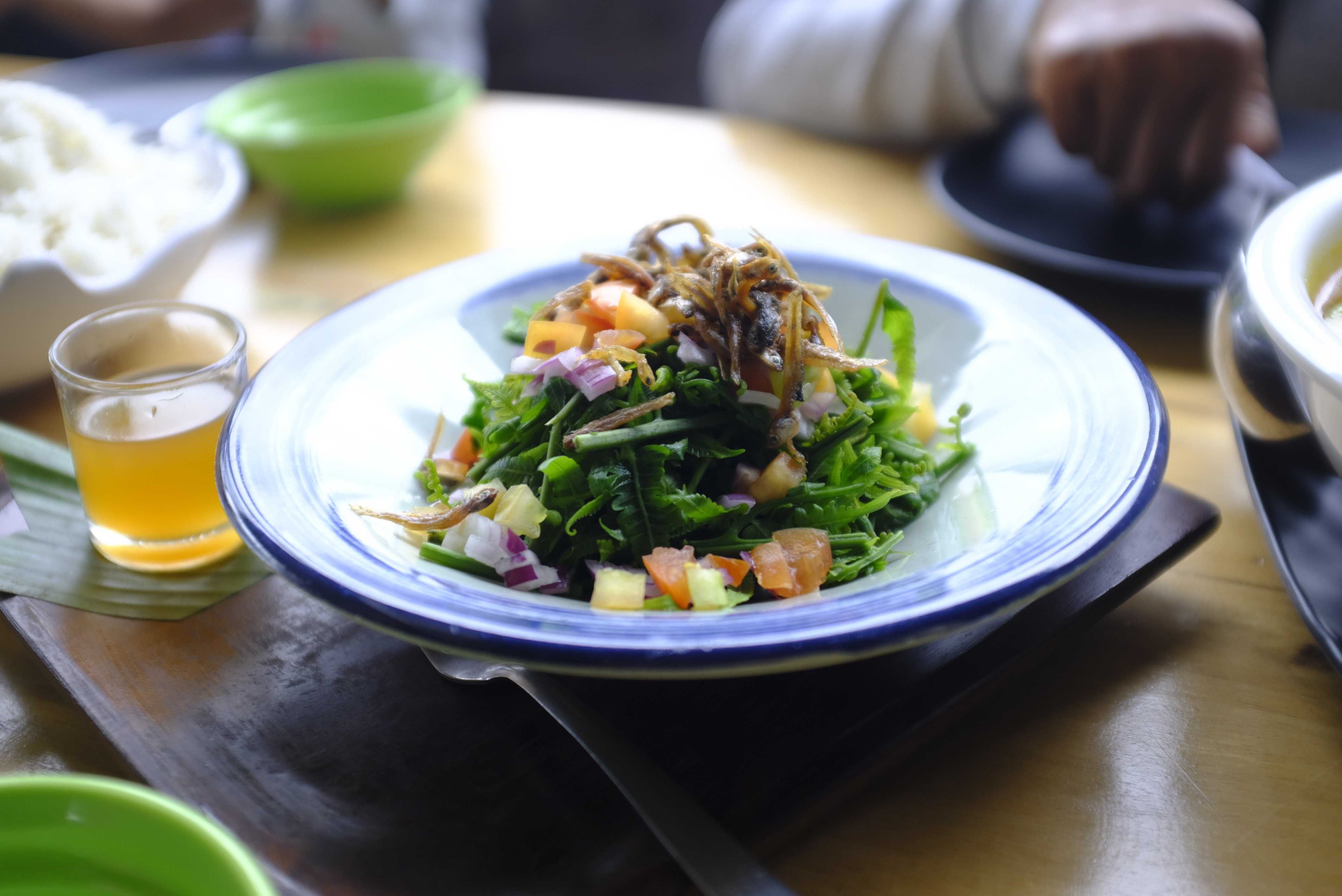
The many mountain resorts in the island of Mindanao serve local organic grown vegetables and fresh juice that are a welcoming gesture of hospitality and culture.
The impact of introducing children to diverse cuisines extends beyond the immediate travel experience. It lays the foundation for healthy eating habits that can last a lifetime.
Long-Term Impact
Children who are exposed to a variety of foods during their formative years are more likely to make healthier food choices as adults. The positive association with diverse cuisines can lead to a lifelong love for trying new foods and maintaining a balanced diet.
Encouraging Healthy Eating Habits Through Travel Experiences
Use culinary travel as an opportunity to teach children about the importance of balance and moderation. Encourage them to savor indulgent treats while also appreciating the nutritional value of different foods. This balance fosters a healthy attitude towards eating.
Local Flavors vs. Familiar Comforts

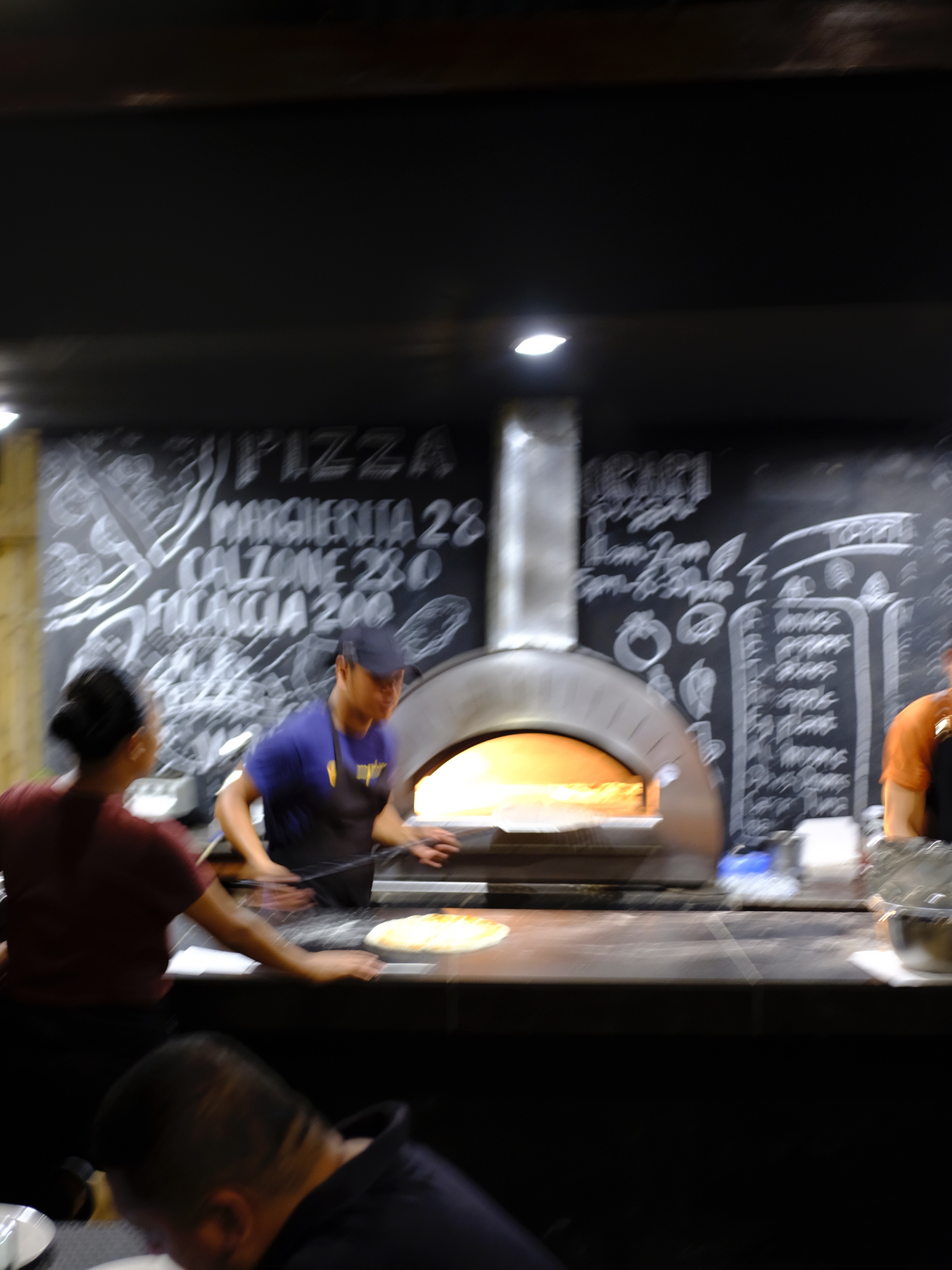
left: a local ice cream vendor in Vigan | right: Italian restaurant in the island of Siargao
Finding the right balance between introducing new flavors and providing familiar comforts is key to a successful culinary travel experience with children.
Balancing Introducing New Flavors
Gradually introduce new flavors by incorporating them into familiar dishes. For example, if your child enjoys pasta, try a local pasta dish with unique flavors. This approach allows them to explore without feeling overwhelmed.
Strategies for Easing Children into Unfamiliar Cuisines
Start with milder flavors and gradually progress to more intense ones. Engage in conversations about the taste and texture of different foods, making it a playful and informative experience. As children become accustomed to variety, they’ll become more open to trying new and diverse dishes.
Memorable Food Experiences for Children
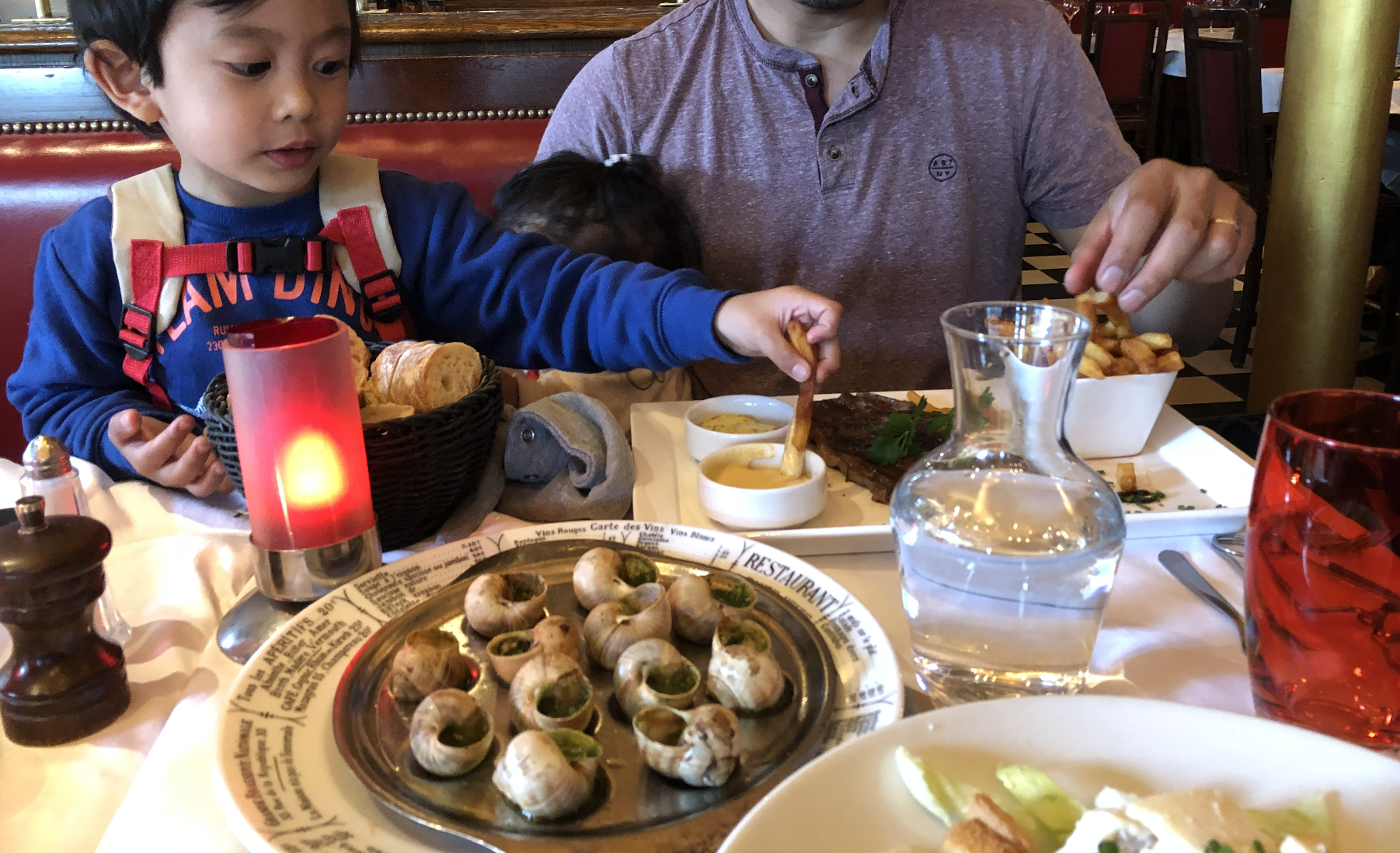
Introducing Joel to escargot while we prepared for him a comfort food of fries and burger | The true beauty of culinary travel lies in the moments that become cherished memories.
Anecdotes of Unforgettable Culinary Moments
Let’s explore some heart warming anecdotes of families and their unforgettable culinary travel experiences. Share stories of families discovering local markets, trying exotic fruits, or participating in cooking classes together. These shared experiences not only create lasting memories but also strengthen family bonds through a shared love of food.
Significance of Creating Lasting Memories Through Food
Highlight the emotional connection formed during culinary adventures. The smells, tastes, and shared laughter around a table contribute to memories that transcend the moment, becoming stories that families reminisce about for years to come.
The Role of Parents in Cultivating Culinary Curiosity

.
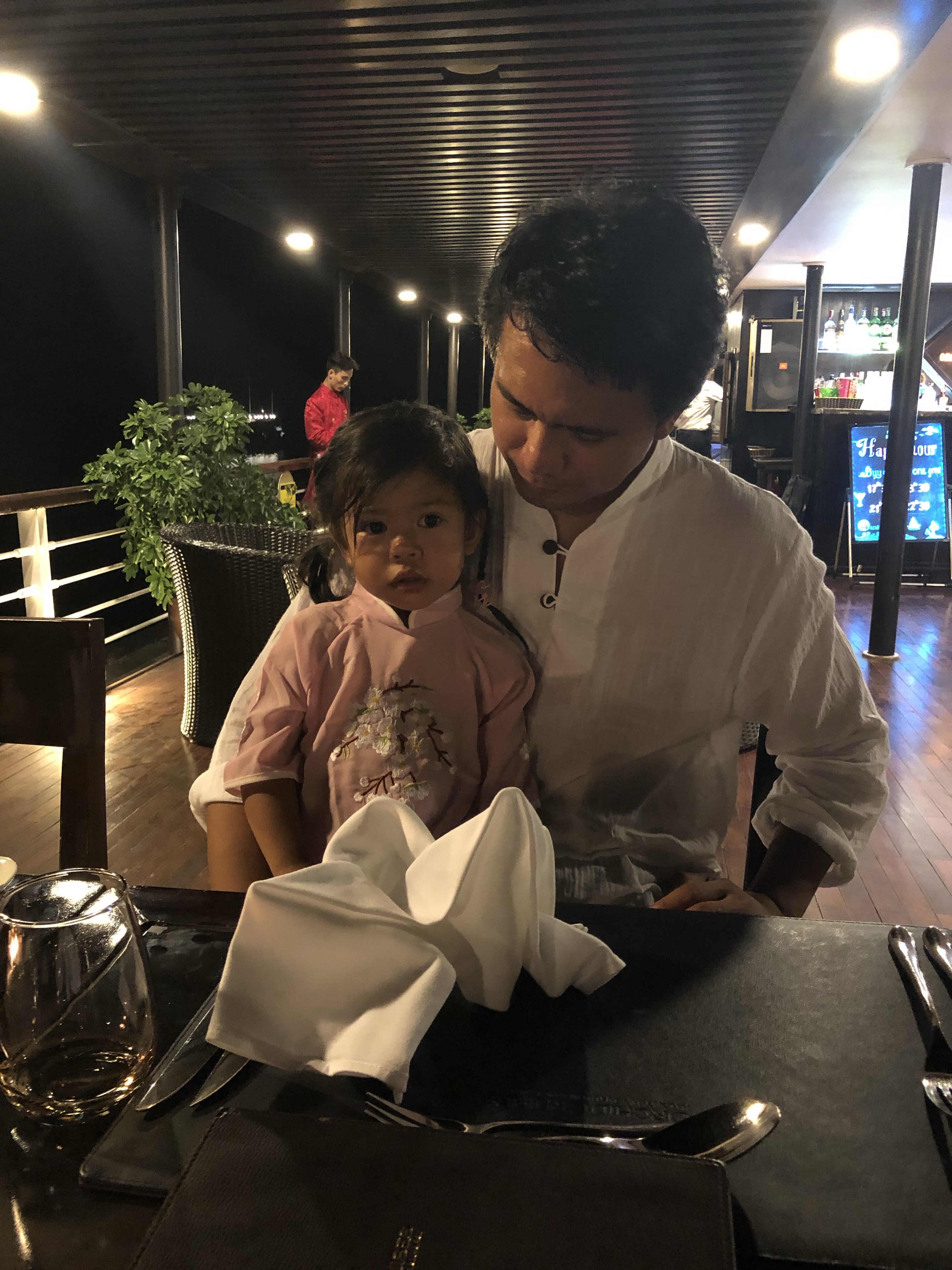
Left: getting dressed up in a traditional vietnamese ao dai, a silk tunic with pants to compliment our 7 course meal aboard the Halong Bay orchid cruise | right: a fusion of authentic ilocano breakfast served with the kids favorite pancake and western touch.
Parents play a pivotal role in shaping children’s attitudes towards food. Here’s how you can actively engage your children in the culinary world.
How Parents Can Actively Engage Children
Lead by example. Show enthusiasm for trying new foods and share your excitement about culinary discoveries. Create a positive and adventurous atmosphere around food, making it a family value.
Encouraging Curiosity and Exploration
Ask open-ended questions about the flavors and textures your children are experiencing. Encourage them to express their preferences and dislikes, fostering a sense of autonomy in their culinary journey. The more involved they feel, the more likely they are to embrace diverse cuisines.
Interactive Culinary Apps for Kids
In this digital age, technology can be a valuable tool for enhancing the culinary education of children. Explore interactive apps designed to make learning about food fun and engaging.
Introducing Technology as a Tool
Apps like “Little Foodie Explorers” or “Cooking Adventure Quest” provide interactive games and challenges that teach children about ingredients, recipes, and cooking techniques. These apps turn learning into a playful adventure, keeping children entertained while expanding their culinary knowledge.
Recommend Interactive Apps that Make Learning Fun
Share recommendations for apps that have received positive reviews from parents. Highlight the educational aspects of each app, emphasizing the balance between screen time and hands-on experiences in the kitchen.
Respecting Local Cultures and Customs

A local vendor selling snacks from a small boat to the people aboard the Halong Bay Orchid cruise.
As families embark on culinary adventures, it’s crucial to instill a sense of respect for the local cultures and customs they encounter.
Importance of Teaching Children to Appreciate Diversity
Use culinary travel as a platform to teach children about the richness of cultural diversity. Emphasize the significance of respecting local customs, traditions, and dining etiquette.
Being Mindful of Cultural Sensitivities
Educate children about cultural sensitivities, such as table manners and appropriate behavior in different settings. This cultural awareness not only enhances their overall travel experience but also instills a sense of global citizenship.
Budget-Friendly Culinary Adventures
Culinary travel doesn’t have to break the bank. Families on a budget can still enjoy diverse food experiences with a bit of strategic planning.
Tips for Families on a Budget
Explore street food markets and food trucks for affordable yet authentic local flavors. Plan picnics with locally sourced ingredients or opt for budget-friendly cooking classes. With a bit of creativity, culinary adventures can be enjoyed without straining the wallet.
Finding Affordable Yet Authentic Food Experiences
Research budget-friendly eateries that offer authentic local dishes. Engage with locals to discover hidden gems that may not be well-known but provide a genuine taste of the destination’s culinary identity.
Conclusion

Jackson square market | A nice slow afternoon of improvisational jazz, praline coffee and beignet to soak in southern hospitality, New Orleans style.
In conclusion, introducing children to the culinary world during travel is a rewarding and enriching experience. From the educational benefits to the formation of lasting memories, culinary adventures have the power to transform family trips into extraordinary journeys. Embrace the opportunity to explore new flavors, foster a love for diverse cuisines, and create bonds that extend beyond the dining table.
Thank you for the coffee!
 travellightseetheworldright.com