
Cover Photo: The pink Mosque of Mindanao, or Sultan Haji Hassanal Bolkiah Masjid, is an architectural gem renowned for its vibrant color and intricate designs. Serving as both a place of worship and a cultural landmark, it reflects the Islamic heritage of the Filipino people. Surrounded by stunning landscapes, its unique pink hue symbolizes peace, welcoming visitors and fostering a sense of spirituality.
Mindanao, a crossroads of cultures
Traveling to Mindanao offers a journey through two contrasting yet complementary expressions of faith and community: the grand, time-honored Grand Mosque of Cotabato City and a newer, pastel-hued landmark often called the Pink Mosque- one that builds a strong impression on young children visiting such intricate design of faith and reverence. Together they gesture toward a region where tradition and modernity meet in stone, light, and color, inviting visitors to pause, learn, and listen—excluding the stigma of unrest and civil division in this particular region. The very lingering effect of the neighboring Marawi siege that’s happened not too long ago.
As we continue the road trip from historic Dapitan City to Cotabato City, the kids find their seats to comfort and elaborate the long hours of alternating play, enjoying the view, eat (bathroom breaks) and sleep. This seven hour drive through winding Lanao Del Norte into unfavorable driving conditions to every vista and open road- is a welcome and a pivot of calm and serenity.
The Grand Mosque of Cotabato City
Arriving in Cotabato City at around four in the afternoon as scheduled was a great relief intermingled with the children’s boisterous and warm play after an afternoon’s nap (missing an adventurous drive through flooded roads just hours before!). Seeing this grandiose temple for the very first time and its hospitable community dissolved every stigma and negative connotations played out on any prime news headline.

The Grand Mosque of Cotabato City stands as a monumental anchor in the city’s public life. Its presence commands the skyline with minarets that rise with quiet authority and a vast courtyard that becomes a stage for everyday devotion. Entering, you feel the architecture’s dual aim: to elevate the spiritual experience while fostering a sense of inclusivity within the bustle of urban life. Inside, the halls unfold with a respectful stillness: expansive prayer halls, delicate geometric patterns, and carefully arranged spaces designed to accommodate hundreds of worshippers during Friday prayers and special occasions. For us this very midweek afternoon is an open courtyard of reflection and inclusive exploration. For travelers, the Grand Mosque is not merely a sight to behold but a living classroom—an opportunity to observe how architectural form guides a community toward focus, humility, and shared ritual.

Inside the grand mosque, the atmosphere varies throughout the day, from the quiet before Friday prayers to the communal spirit during the imam’s guidance. The visit is about experiencing the space’s sounds and sense of community, especially during Friday khutbah, where shared faith transcends language and background.

Planning the journey
Planning the journey begins with respect for place and circumstance. Mindanao is geographically rich and culturally varied, with landscapes that range from rolling hillside settlements to rivers that carve their way through towns. Driving this part of the country is just that. A simple mantra of respect, appreciation. and a genuine interest in culture as much as tradition. Because large-scale security and travel advisories can shift, the prudent traveler checks current guidance from official sources and considers hiring a local guide or joining a reputable tour that specializes in religious and cultural sites where one is not keen to driving the area and its driving conditions.
Getting there
Arriving by air to key entry points such as Cotabato City or other gateways and major cities like Davao that is about a three hour drive to the grand mosque. Local public transportation or private vehicle like we did is also a good alternative and a more immersive way to enjoy the small town along the way. One senses immediately that the route to the grand mosque is more than a path through streets; it is a passage into a living tradition. The journey itself—through bustling markets, quiet neighborhoods, and places of learning—prepares the visitor for the stillness inside the mosque’s precincts.
Mosque daily schedule
The mosque usually opens daily from 7:00 AM to 7:00 PM, with early visits recommended to avoid crowds. Visitors must sign a logbook at the entrance and should avoid Fridays for a more peaceful experience. Men should wear long trousers, while women need a veil and must cover their legs; rental attire is available at local shops just outside the mosque. Prices can vary but usually 100 peso or 2 USD is the starting price.
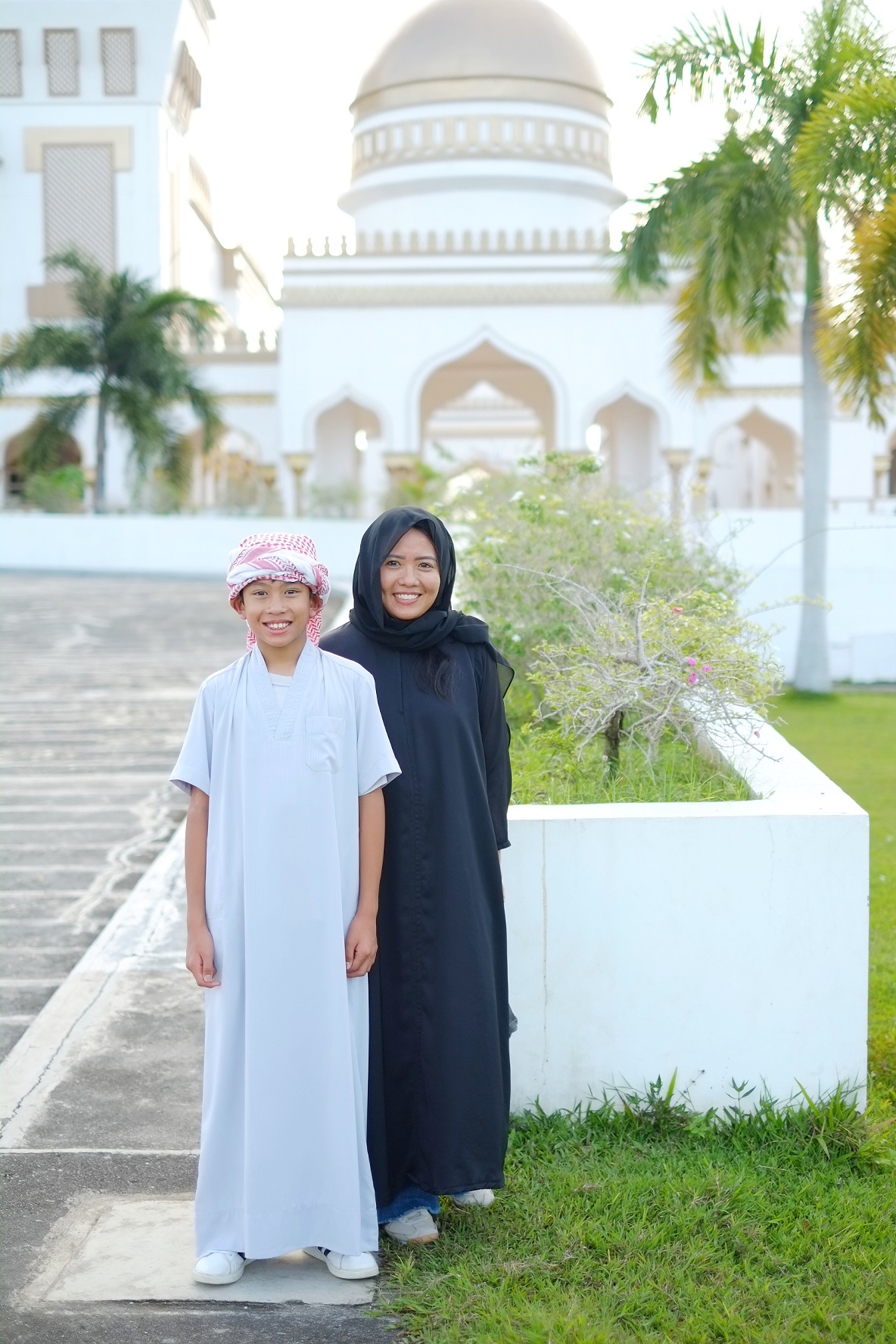

Visiting the Grand Mosque highlights the city’s commitment to education, charity, and dialogue, serving as a meeting place for families and a space for learning and storytelling. Non-Muslim visitors are welcome, but should approach with respect and adhere to dress codes and restrictions. Photography may be limited, so permission should be sought. The experience is meditative, filled with the call to prayer and the presence of worshippers, embodying a significant intersection of faith and daily life.
The Pink Mosque of Mindanao
A short journey away, the Pink Mosque offers a different lens on Mindanao’s sacred landscape. This contemporary landmark, rooted in the same city’s spirit of hospitality and communal life, is celebrated for its distinctive color and its message of openness. The pink exterior—soft, inviting, and photogenic—serves as a friendly invitation to visitors who might be curious about Islamic aesthetics beyond the traditional white or earth-toned facades. Beyond surface charm, the Pink Mosque embodies a philosophy of accessibility and public engagement: a sacred space that welcomes people from varied backgrounds to appreciate the beauty of devotion, color, and light. Its interior spaces often emphasize clarity and comfort, balancing reverence with a sense of welcome that resonates with families, students, and tourists alike.
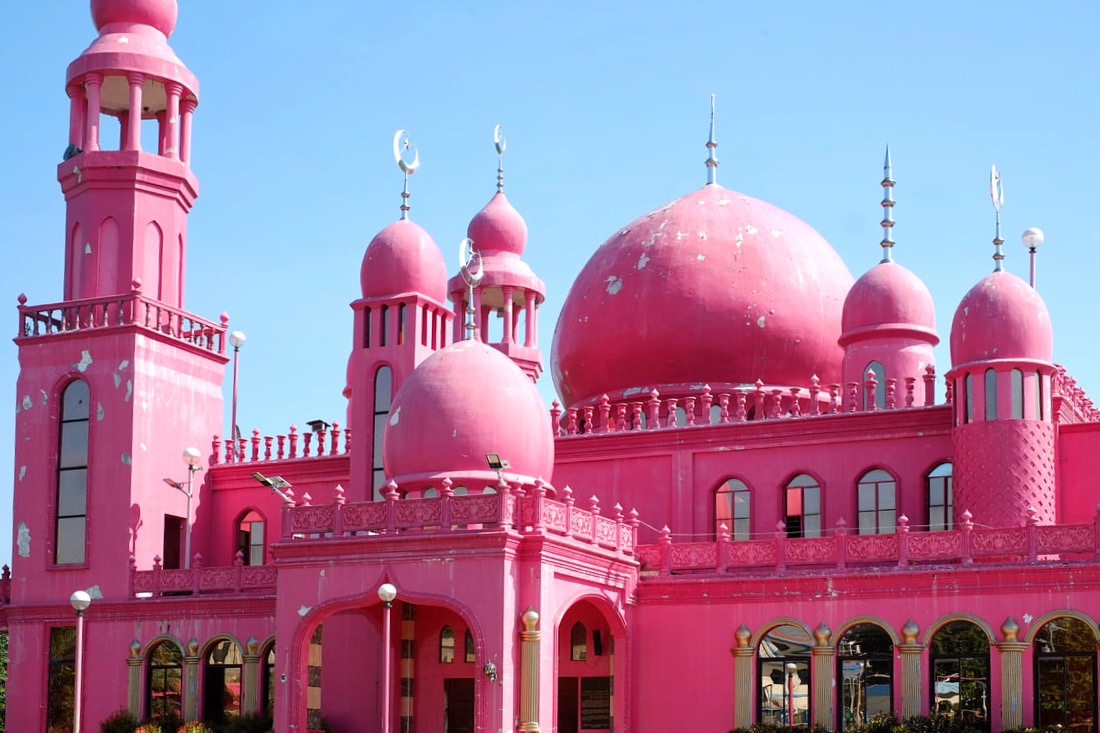
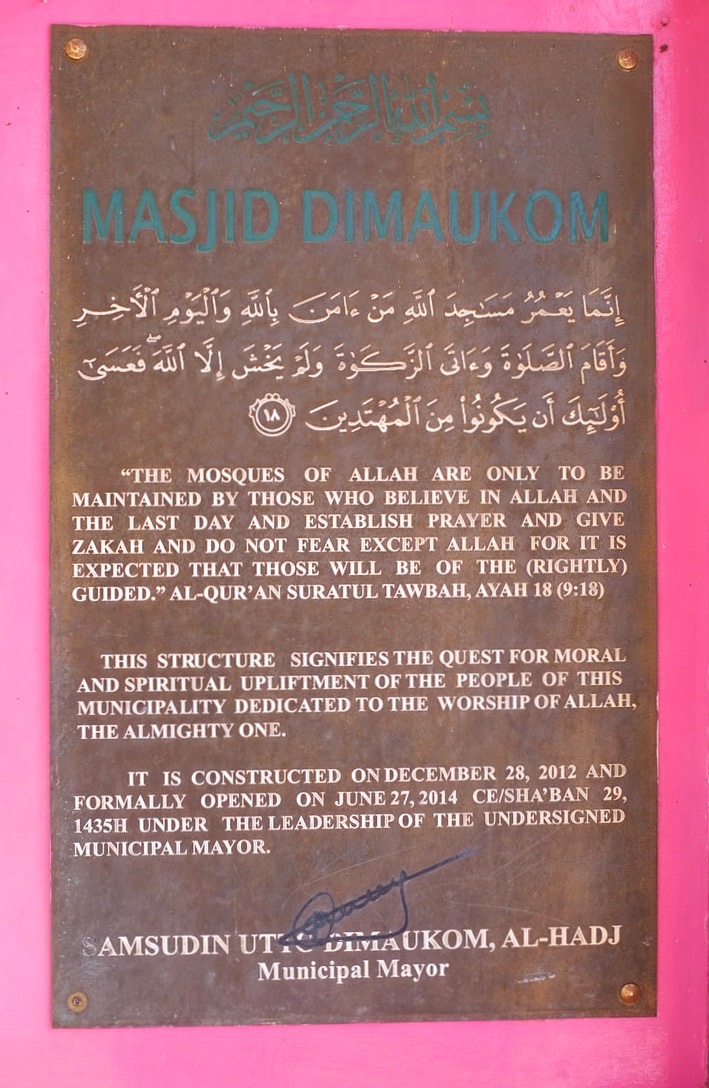
The Pink Mosque (Masjid Dimaukom) in Datu Saudi Ampatuan, Maguindanao, is renowned for its unique pink exterior, symbolizing peace, love, and harmony. It redefines mosques as spaces of unity and offers a hopeful ambiance amidst regional social challenges.
The two mosques together illustrate Mindanao’s architectural dialogue between lineage and innovation. The Grand Mosque anchors memory—its grandeur, its prayer-centered rhythms, and its role in teaching and charity reflect generations of practice and communal responsibility. The Pink Mosque, with its contemporary palette and ethos of inclusivity, signals a community’s imaginative expansion—an architecture of belonging as much as a house of worship. For travelers, this pairing offers a nuanced portrait of a region where faith is not static but living, where sacred spaces can honor tradition while inviting new forms of expression and public participation.

Traveling to these areas of Mindanao and seeing the grand display and stature of the minaret is a geographical treat for our kids. The most pleasant surprises were how respect and hospitality continued to play as we traveled and learned the fabric of the Islam culture of Mindanao.
A cultural dialogue
A travel experience that includes both sites becomes an exploration of contrasts and continuities. Between Cotabato’s venerable stone and the Pink Mosque’s soft hues, you witness a city and a region negotiating time: how to preserve sacred heritage while welcoming new voices, how to maintain reverence in a public-facing urban space without sacrificing warmth and curiosity. Engaging with locals—guides, caretakers, worshippers—reveals stories that illuminate daily life: a grandmother who recalls past prayers in a city that has seen upheaval, a student who speaks of learning from imams and mentors, a street vendor who greets visitors with smiles and local delicacies. These encounters are often the most lasting impressions of a journey: a reminder that sacred spaces are as much about people as about stones and paint.


We were greeted by friendly young caretakers who guided us into the temple. The same children were also selling a few local delicacies and sweet treats as we entered its symmetrical punctuating bright gates.
Practical tips for families
- Accessibility: Check for stairs or uneven surfaces in mosques and plan accessible routes for families with little ones or strollers.
- Timing: Respect worshippers by giving them space and consider enjoying nearby areas or sitting in courtyards during prayers.
- Language: Communication is often effective in English or Filipino with local guides or staff.
- Safety: Secure valuables, keep children close in crowds, and use the opportunity to teach kids about situational awareness while traveling.
A simple family-friendly itinerary
- Gentle introduction: Arrive early and admire the mosque’s architecture with a stroll around the exterior.
- Guided welcome: Join a short tour if available to learn about the mosque’s design and respectful visitor behavior.
- Prayer hall observation: Enter an observation area respectfully to appreciate the hall’s vastness and intricate calligraphy.
- Photo moment: Capture photos of the exterior and gardens with permission, avoiding flash inside prayer areas.
- Cultural chat: Discuss the visit in a calm space and share surprises about the experience.
- Nearby bite: Enjoy kid-friendly snacks from local sources, such as grilled meat and fresh fruit.
- Local history tie-in: Spend some time at a cultural corner to connect the visit to Mindanao’s history.
- Reflect and continue the journey: Conclude with a reflection on the visit, documenting thoughts in a journal or through photos.
Kid-friendly angles to explore
- Architecture Scavenger Hunt: Engage kids in finding and describing architectural elements such as arches, domes, and calligraphy motifs, rewarding them with small stickers for each discovery.
- Language Moments: Introduce children to respectful phrases in the local language, Bisaya or Cebuano, and some Arabic terms like “Assalamu alaikum” for greetings.
- Story Corner: Share an age-appropriate story that explains the purpose of mosques and the role of community in prayer and charity.
What to pack for a respectful, comfortable day
- Dress Appropriately: Bring lightweight scarves, light cardigans, and knee-length or longer shorts/skirts for kids.
- Comfortable Footwear: Choose easy-to-slip-on shoes as shoes are typically removed indoors.
- Stay Safe in the Sun: Use sunscreen and keep hydrated in the strong Mindanao sun, especially for children.
- Bring a Journal: A small notebook is perfect for recording thoughts, questions, or sketches.
- Pack a Light Snack: Enjoy something tasty from local markets after your visit.
A Respectful, Enriching Family Experience
Visiting the Grand Mosque is not only about appreciating its beauty but also about connecting with the local culture. This mindful approach helps families to Build Cultural Empathy: Respectful observation of daily life and practices fosters understanding of diversity. Spark Curiosity: Architectural and cultural elements provide opportunities for questions and exploration. Create Lasting Memories: An unhurried visit contributes to a meaningful family travel experience.
Conclusion
Beyond the architecture and etiquette, a journey to the Grand Mosque and the Pink Mosque invites reflection on the broader tapestry of Mindanao. The island is a crossroads of cultures: Muslim communities, Indigenous traditions, and Christian-majority influences intersect in markets, schools, and neighborhoods. The mosques you visit are not isolated monuments but living centers within this complex mosaic—places where faith, art, education, and public life intersect daily. To travel responsibly is to listen as much as observe—to hear the cadence of prayers, the whispers of conversations in local languages, and the ways in which hospitality is extended to strangers who approach with genuine interest.
In the end, a trip to Mindanao’s grand and pink mosques is less about ticking a sightseeing box and more about entering a conversation—between history and modernity, between devotion and public life, between reverence and curiosity. It is a chance to witness how sacred space can endure while still inviting innovation; how color can illuminate rather than overpower, and how travel, approached with humility and respect, can broaden one’s understanding of faith, community, and resilience. For those who seek a deeper sense of place, the Grand Mosque of Cotabato City and the Pink Mosque stand as luminous guides—two expressions of Mindanao’s spiritual heart that invite you to listen, learn, and carry a more nuanced sense of the region into your next journey. May you always find solitude in your pursue to travel and meet local culture with the family.
Thank you for the coffee!
 travellightseetheworldright.com