
General Santos City has been called the “Tuna Capital of the Philippines” due to its impressive total daily catch of tuna that exceeds any other fish ports in the country. This vibrant city not only boasts a rich marine biodiversity but also plays a vital role in the local economy, providing countless jobs and livelihoods to fishermen and businesses alike. The waters surrounding General Santos are teeming with various tuna species, such as yellowfin and skipjack, making it a prime destination for both commercial and sport fishing enthusiasts.
General Santos City, proudly nicknamed the Tuna Capital, is a great destination for a family getaway in Mindanao, offering an abundance of activities and experiences for all ages. It’s a lively place where you can watch the bustling tuna landings, sample fresh seafood, and enjoy friendly hospitality that the locals are known for. Families can explore the vibrant fish markets, where the sights and sounds create a unique atmosphere that is both exciting and educational. Additionally, there are various parks and recreational areas nearby, perfect for picnics and outdoor plays. Here’s a practical guide to help families plan a fun, safe, and tasty visit, ensuring that every moment spent in this remarkable city is filled with joy and memories to cherish.
A brief background
The annual Tuna Festival, which celebrates the city’s maritime heritage, attracts tourists and showcases the culinary delights of fresh seafood, reinforcing the city’s reputation as the premier tuna hub in the Philippines. As a result, General Santos City has become a beacon of sustainable fishing practices while striving to balance economic growth and environmental conservation. But you don’t have to wait for the tuna festival each year. If you happen to travel this beautiful archipelago in the Philippines, you should not miss this once in a lifetime opportunity to discover the Philippines largest fish market.

How to get there
By air: Fly into General Santos International Airport, which serves as the main gateway for international and domestic flights to the region. Upon arriving at the airport, you will find various transportation options readily available. Taxis or Grab app and rideshare services can efficiently take you to the city center in approximately 15 to 30 minutes, depending on the current traffic conditions. Make sure to check the fare rates beforehand to ensure a smooth ride.
By land (alternative): If you’re coming from nearby cities like Davao, you have the option to travel by bus or private car. The journey to General Santos can take a few hours, typically ranging from 3 to 5 hours. It’s advisable to plan extra time for the journey, especially if you’re traveling with kids, as you may need to make additional pit stops for food, rest, or bathroom breaks. Several bus companies operate this route, offering various levels of comfort and pricing, so check for the best option that suits your family’s needs.
Getting around: Once you’re in General Santos, navigating the city is quite straightforward. Taxis and ride-hailing apps like Grab are widely used and provide a convenient way to travel around. Tricycles, a local form of transportation, are also common for shorter distances and can be a fun experience for kids. For more extensive day trips, especially if you’re planning on visiting attractions outside the city, consider renting a family-friendly van or hiring a private driver. This option offers enhanced comfort and flexibility, allowing you to explore at your own pace without the hassle of public transport schedules.

The city’s exceptional tuna fishing grounds, robust infrastructure, and expansive tuna canning industry establish it as the nation’s leading fish producer and a significant global exporter of diverse tuna species, including yellowfin, skipjack, and bigeye.
When to visit
The tuna market is active year-round, but mornings are usually the busiest times as landings begin and fresh catches come in. If you’re looking to experience the market at its liveliest, arriving early will allow you to witness the flurry of activity as vendors prepare their stalls and auctioneers call out bids for the freshest tuna. The vibrant atmosphere, filled with the sounds of chatter and the immense energy of the locals, adds to the allure of visiting this unique market.
The Philippines has a tropical climate characterized by distinct wet and dry seasons. The dry season, which typically spans from November to May, tends to be more comfortable for families and tourists. During this time, you can expect less rain, making it ideal for outdoor activities such as beach outings, island hopping, and exploring the beautiful landscapes. The sunny weather enhances the overall experience, allowing visitors to fully enjoy the scenic views and various attractions. However, regardless of the season, it is always advisable to check the local forecast before you embark on your journey to ensure you are prepared for any weather changes that may occur. This will help you plan your adventures effectively and maximize your enjoyment while exploring the rich culture and stunning natural beauty of the Philippines.
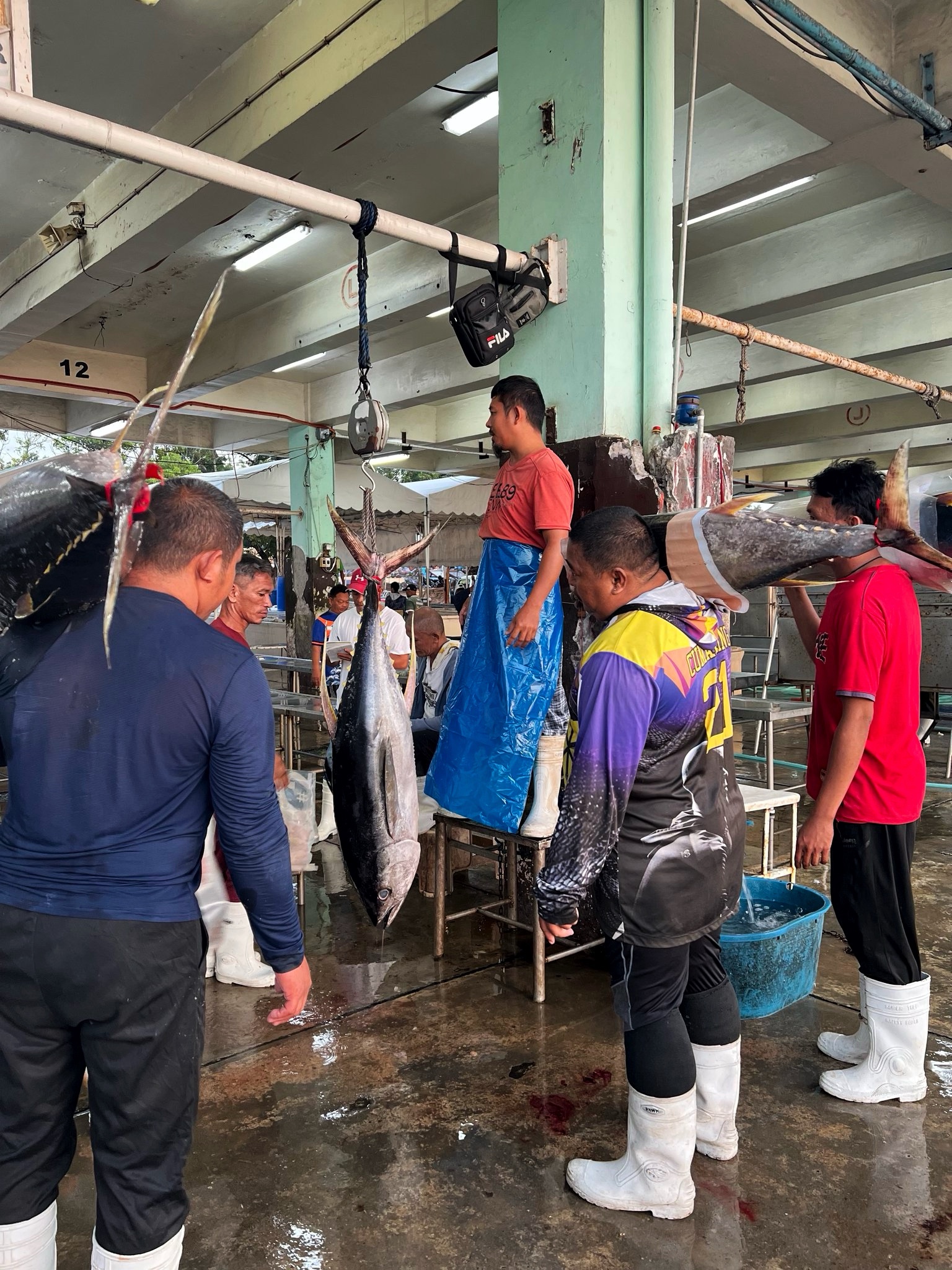
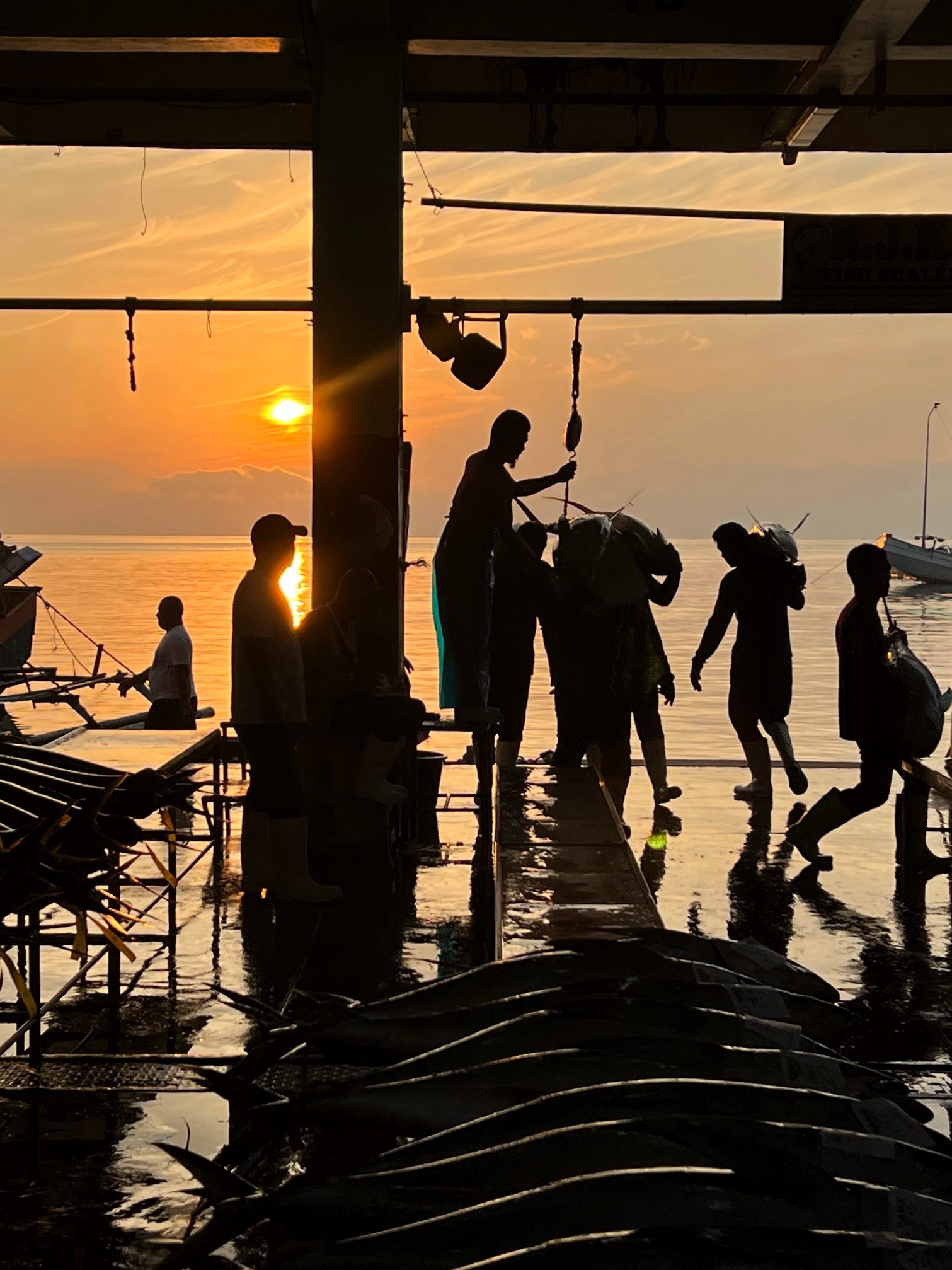
General Santos Fish Port Complex: tuna is expertly weighed upon arrival from boats, then transferred to precisely calibrated weighing scales and stainless steel bidding tables for the auction process. Once the bidding is complete, the tuna is packed with dry ice and dispatched to buyers around the world.
Special considerations before entering the seaport landing
Come early morning before the break of dawn if permitted. This is the time that fishermen bring in the early catch and the most busy. The best time of the day to see how the tuna are processed from weighing, grading, auctioning and packaging.
Enter through one of the main fishing complex gates and secure a visitor’s pass. The guards are always willing and very helpful to assist you. You will need to wear proper attire: long pants covering the ankle (no exceptions) and boots. Any other attire is not permitted. There are also rental stores/booths inside the landing to provide you with the necessary pants and boots.

What to do with kids
Tuna Port Viewing: Visit General Santos City Fish Port Complex early in the morning to observe fish landings. Kids will learn about sorting fish by species and size, ice preservation, and storage methods. Practical tips include visiting designated viewing areas, maintaining a safe distance from equipment, and bringing snacks and water.
Tasting Fresh Tuna: Sample kinilaw (raw tuna marinated in citrus), seared tuna, and local dishes featuring tuna. Consider spice levels and select milder dishes for younger children.
Nearby Nature and Beaches: Enjoy short family-friendly beach trips or calm shoreline walks. Look for safe beaches with shade, restrooms, and snack options.
Light Cultural Experiences: Explore local markets and crafts stalls for an introduction to Filipino culture and cuisine. Check for family-friendly shows or music events for enjoyable evening activities.
Food tips for families
Fresh tuna is a highlight—ask for milder preparations for kids, such as lightly grilled or baked options. The natural taste of the tuna can be quite appealing to youngsters, especially when it is cooked simply without heavy spices. Consider pairing it with a side of vegetables or rice to make a well-rounded meal.
Kinilaw (tuna ceviche) is popular but may be spicy for young children; request milder flavor or a separate non-spicy option. Many restaurants are willing to adjust their dishes to cater to family preferences, so don’t hesitate to ask for modifications. If your kids enjoy seafood, kinilaw can be a great introduction to local flavors while ensuring they stay comfortable with the taste.
Stay hydrated and opt for bottled water. This is particularly important in warm climates or when exploring new environments, as children may not always recognize when they’re thirsty. Also, if you’re unsure about a dish, ask about ingredients. This is crucial for families with food allergies or dietary restrictions. Engaging the staff in conversation can provide you with valuable insights and help you choose dishes that everyone can enjoy safely.
Encouraging your children to try new foods while ensuring they stay comfortable with their choices will make family dining experiences more enjoyable.

Practical family tips
Start early: Getting up early helps you enjoy cooler temperatures and see all the busy activities in the port. Early mornings also let you catch sights and sounds that you might miss later.
Safety first: Stay in safe areas, keep young kids close, and tell them not to touch heavy machines or nets. It’s important to keep your family safe in busy places like ports. Make sure kids understand the need to stay in safe zones and set clear boundaries for where they can go. The market can be very slippery. Make sure you keep close and follow your guide.
Communication: English is commonly spoken in GenSan, along with Filipino and local languages. Learning a few simple phrases in Filipino or Bisaya can help you connect with locals and make your trip more enjoyable. Using simple greetings shows respect for the local culture.
Health and comfort: Pack sun protection like hats and sunscreen, wear light clothing, and bring a small first-aid kit. Make sure each family member has a reusable water bottle. Staying hydrated is key in warm weather. Bring snacks for kids to keep their energy up. A first-aid kit is useful for minor injuries during your adventures.
Respect and etiquette: Pay attention to port signs, listen to guides or staff, and ask before taking photos of workers or boats. Showing good manners not only reflects well on you but also creates a positive atmosphere for everyone. Asking permission before photographing workers respects their privacy and hard work. Following the rules leads to a smoother experience for your family.
Safety reminders
Always verify viewing accessibility with local tourism offices or the port authority before your visit. This step is essential to ensure that you have the most up-to-date information about accessibility options, potential restrictions, and any special accommodations that may be available during your visit.
Avoid crowded areas during peak activity times to minimize the risk of accidents. High traffic can lead to an increased chance of mishaps, so planning your visit during off-peak hours may provide a more enjoyable experience, allowing you to appreciate the sights without the stress of navigating through large crowds.
Conclusion
The tuna landing in General Santos is a great way to introduce children to the importance of livelihood and fishing in the Philippines. It helps them engage and learn about the significance of the Philippine archipelago, which is home to diverse marine life and rich traditions tied to fishing communities. By witnessing the bustling activities at the tuna landing, children can gain a deeper understanding of the local culture, the hard work of fishermen, and the essential role that sustainable fishing plays in preserving the ocean’s resources for future generations. This experience not only fosters a sense of responsibility towards marine conservation but also strengthens their connection to their cultural heritage and the environment. Enjoy your future travels and discover culture through food and diverse layers of activity with your young traveler!
Thank you for the coffee!
 travellightseetheworldright.com