
Cover photo: Rizal’s letter to Fr. Pablo Pastells: “I consider myself happy to be able to suffer a little for a cause I believe to be sacred | itinuturing kong maligaya ang makapagtiis nang kaunti alang-alang sa isang layunin initnuturing kong banal.”
A blend of historical importance and a true retreat plots Dapitan as an ideal conjuncture some say a cliché- an ideal holiday. But to what extent must one recollect and refine the taste of historical pretext to truly saturate the significance of a place?
Lets roll history back to a timeline when my Philippines national hero Dr. Jose Rizal was exiled in Dapitan City to a barangay known as Talisay. A picturesque coastal shore facing the Sulu Sea to where the sun dips below a low tide evening that punctuates a nostalgic reminiscence of a childhood summer’s embrace. A darting orange hue of sunset beams elaborating an imminent purple sky bellowing over the rolling hills and the cheerful rhythmic sound of local birds eloquently singing through the ocean breeze. You might find this bamboo wind flute played along, whistling on the streets as vendors sell them for children visiting Jose Rizal shrine and the St. James Church, yet to this day amplify the sound of many years gone by.
Who is Dr. Jose Rizal?


.
José Rizal (1861-1896) occupies a deeply cherished place in Philippine history, where his profound intellect and passionate activism resonate with countless hearts. He dedicated his life to advocating for the rights of his fellow Filipinos through poignant political writings that not only ignited the flame of revolution but also paved the way for his tragic execution by the Spanish colonizers. His legacy continues to inspire generations, reminding us of the sacrifices made for freedom and justice.
Historical Significance
Dapitan traces its beginnings long before the Spanish conquistadores set foot on the island of Mindanao. Its earliest settlers were the Subanen, a nomadic tribe of Indonesian stock known to have settled and lived along the banks of the river or “suba,” out of which their present-day tribal identity originated.
The Spanish authorities selected this quiet spot in Mindanao, understanding the need to shield their community from Jose Rizal’s subversive influence (sedition, rebellion, conspiracy, citing his writings like Noli Me Tángere and El filibusterismo as subversive, anti-Catholic, and pro-separation from Spain), while also knowing the Jesuits had a compassionate mission: to engage with him and gently encourage a reevaluation of his political and religious beliefs. Choosing Dapitan was a thoughtful decision, aimed at both creating a space for his isolation and leveraging the Jesuit mission’s potential to foster his moral and spiritual growth.
Fast forward to November 8, 1963, president Macapagal signed Proclamation No. 179 which also converted Dapitan into a city, with him appointing Germanico Carreon and Francisco Hamoy as the city’s mayor and vice mayor respectively on November 12. It is officially renowned as the “Shrine City of the Philippines.”
Rizal’s historic landing site
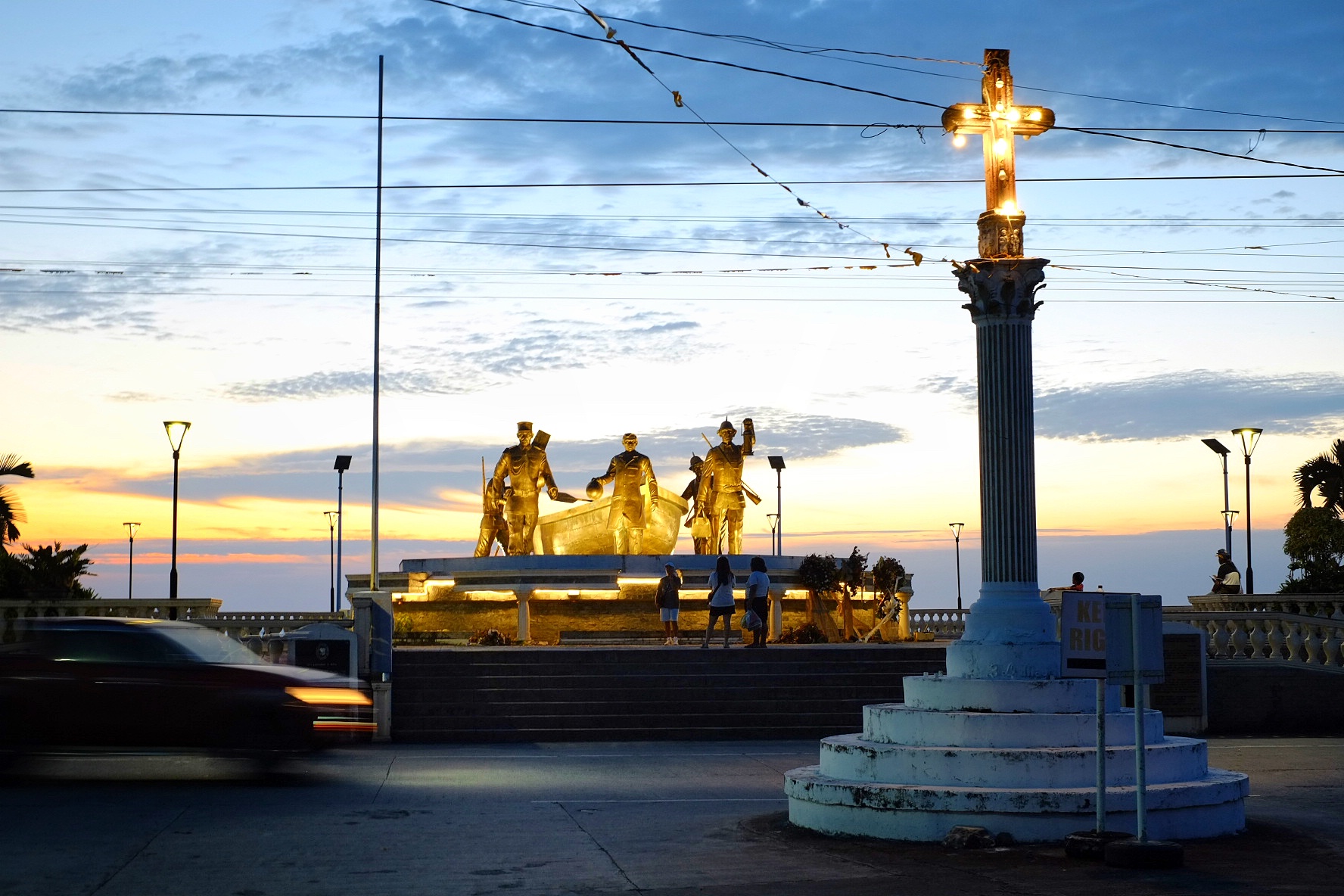
This brings us to an introduction of Dapitan and the very shoreline that landed Rizal’s boat sailing across the many islands from Luzon to the humble Mindanao coastline. Rizal Landing Site is a recently developed monument honoring the Philippines’ National Hero, Dr. Jose P. Rizal.
.
The Rizal Landing Site is a noteworthy location to visit from Sta. Cruz Beach on Sunset Boulevard, particularly in the evening when the lights illuminate the area. In front of the monument, there is a prominent cross that enhances the site’s charm. Additionally, it is conveniently situated just a pleasant 15-minute walk from Gloria Fantasyland, making it an enjoyable stop for visitors.
.
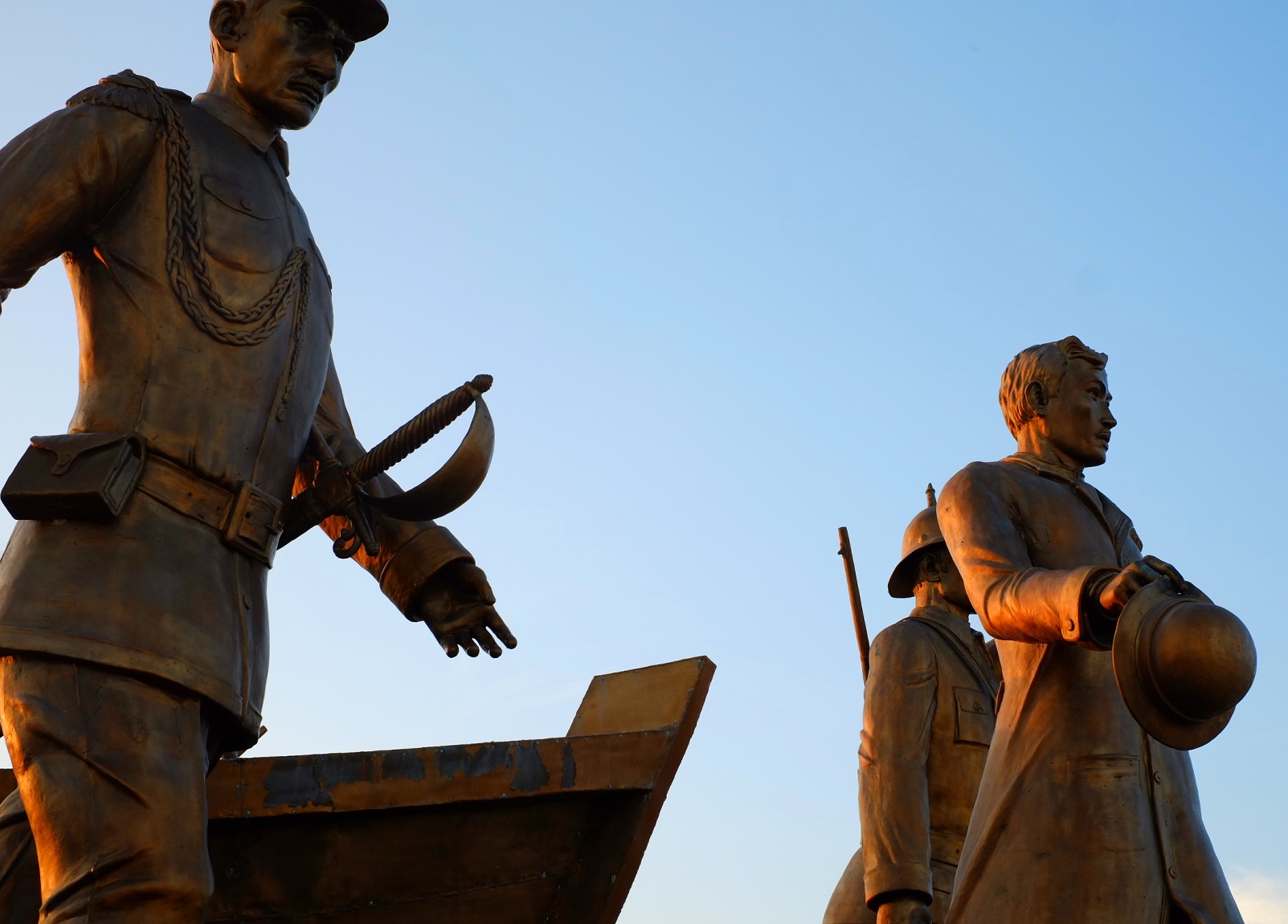
Located on beautiful Sta. Cruz Beach, this site marks where Rizal first arrived in the Philippines at 7:00 PM on July 17, 1892, starting his life in Dapitan. He was with Captain Delgras and three soldiers, walking through the dimly lit Sta. Cruz Street with a lantern that cast shadows on their path to the Casa Real. Upon arrival, he was presented to Don Ricardo Carnicero, the Spanish military governor of Dapitan, who helped shape Rizal’s early years of exile. This site honors Rizal’s arrival and represents his dedication to the Filipino people and his lasting legacy, encouraging future generations to value freedom and patriotism. The monument also reminds us of the sacrifices for independence and draws visitors interested in the Philippines’ rich history.
Rizal Shrine Park and Museo Ni Rizal
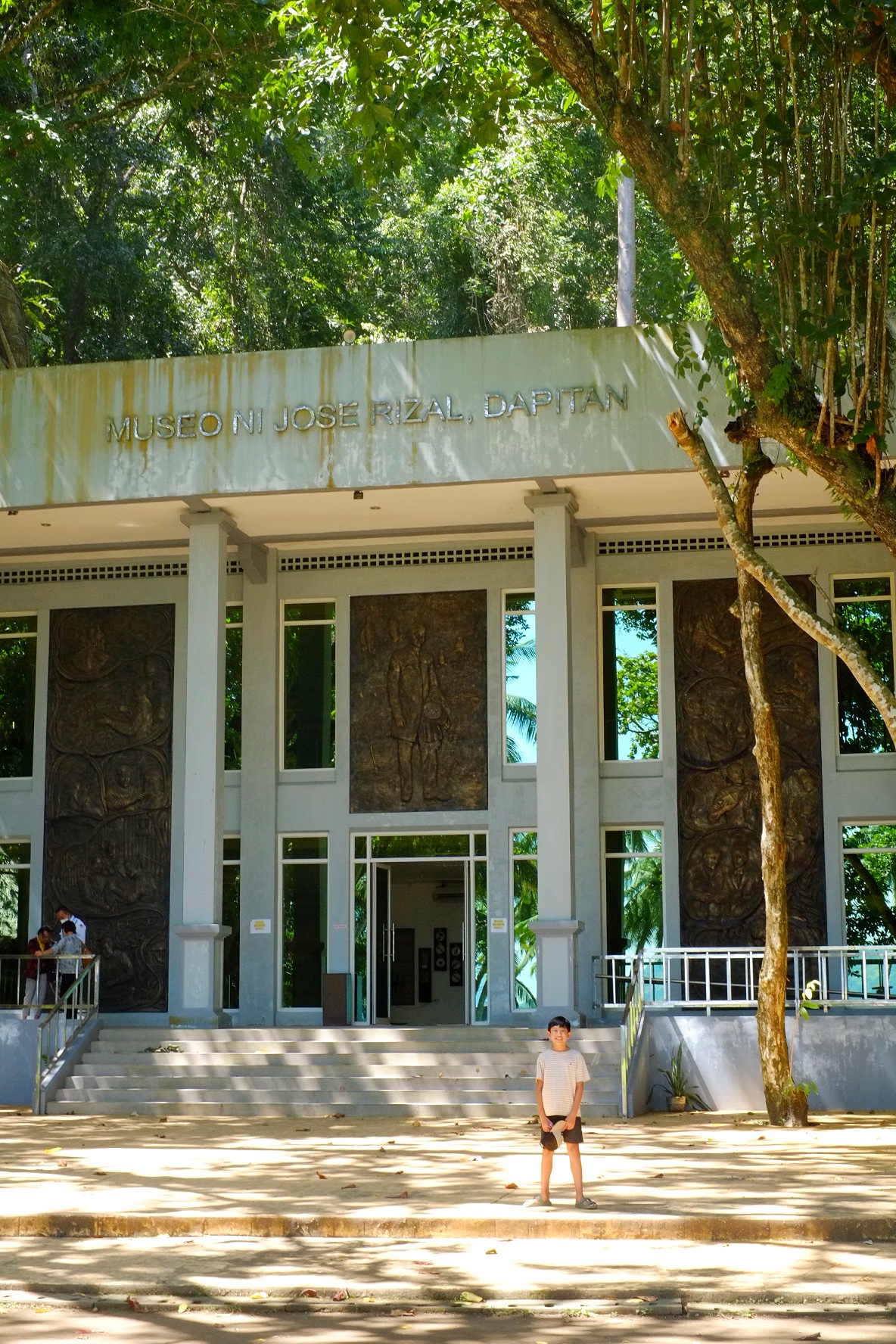
Nestled in the heart of Barrio Talisay, this remarkable site showcases Rizal’s former residence, a cherished home he purchased with his lottery winnings, along with the inspiring structures he built to nurture and educate his students, including a humble barn. Established in 1940 as a national park and subsequently transformed into a protected landscape, this extraordinary place stands as a powerful testament to Rizal’s enlightenment, creativity, and unwavering dedication to serving the Filipino people during his exile.

.
Dapitan, known as the Shrine City of the Philippines, is notable for being the exile location of national hero which contributes to its historical significance. The city prioritizes the preservation of its culture and history over modern development, featuring tropical greenery and nipa huts near the shore, creating a laid-back and welcoming atmosphere.
.

.
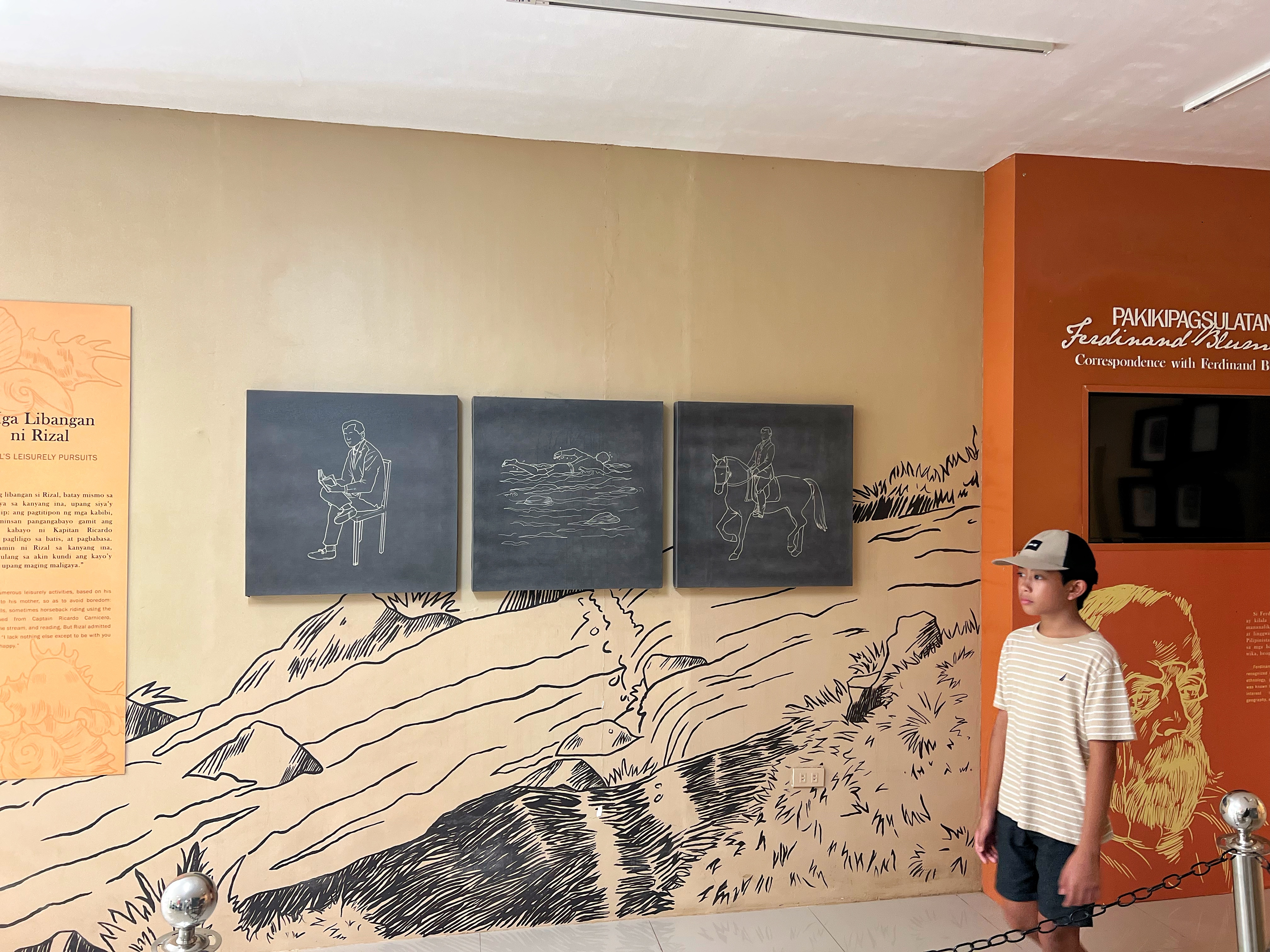
Jose Rizal lived in a beautiful area by the bay during his exile, where the Rizal Shrine near the Dapitan River offered peaceful walks and gardens. Despite the sadness of his exile starting July 17, 1892, Rizal effectively utilized his time over four years (1892-1896) as a teacher, doctor, farmer, artist, engineer, and entrepreneur. He cultivated a 34-hectare farm in Katipunan, Zamboanga del Norte, where a museum now honors him. He began a school and clinic, built a dam and waterworks, and installed street lights in Dapitan. Rizal engaged in archaeological digs, wrote poetry like Mi Retiro and Himno a Talisay, and created clay sculptures. He fell in love with Josephine Bracken and wrote A Josefina for her. The Museo ni Jose Rizal in Dapitan exhibits his life in exile through personal items and heartfelt letters to family and friends. His nipa hut, clinic, school, and other projects showcase his talents and dedication to his country.

.
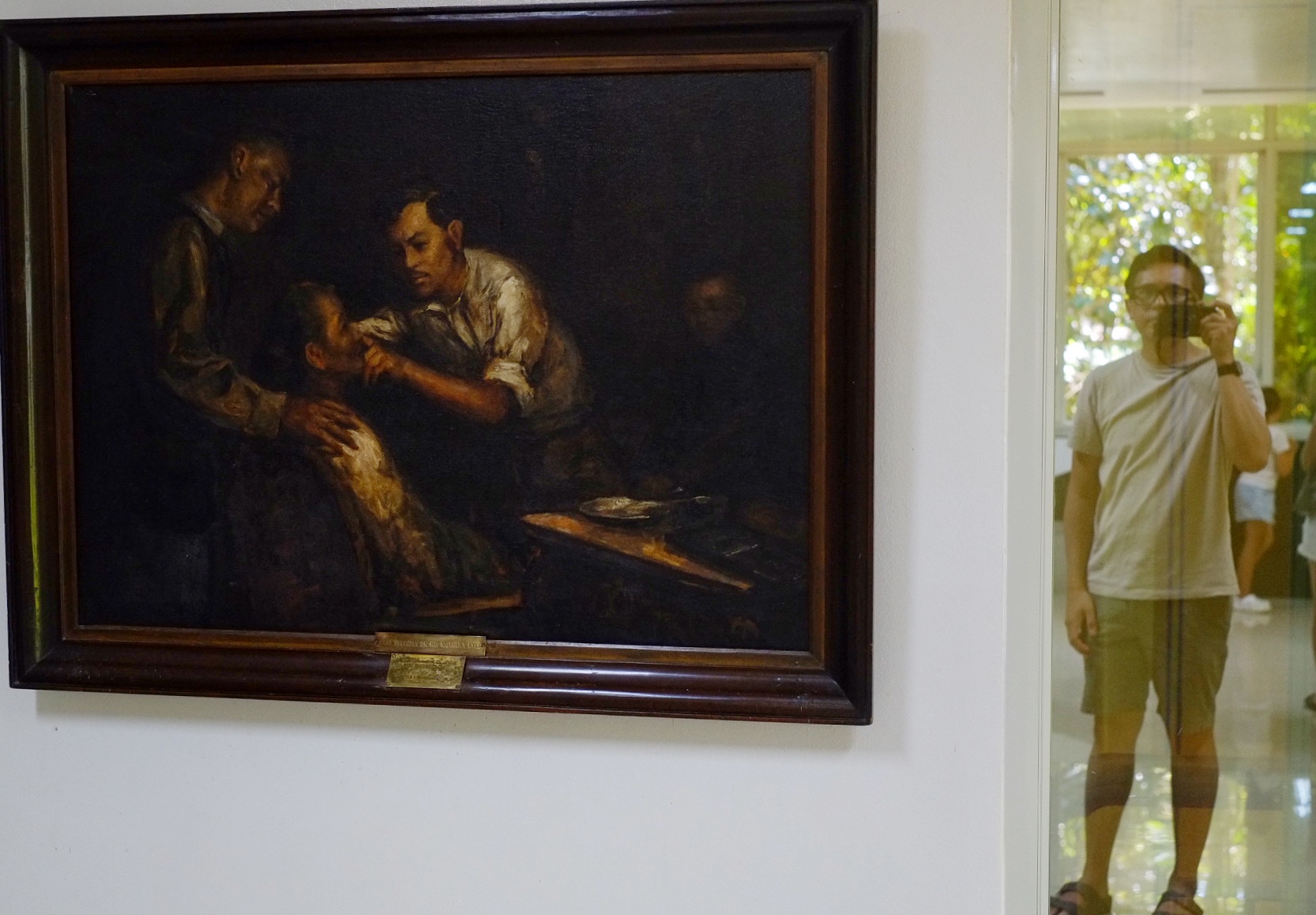
Left: Prominently on display at the center of the ground floor are some of Rizal’s personal wardrobe – a beige long-sleeved shirt and trousers | right: A well-known painting of Dr. José Rizal treating his mother. Dr. Jose Rizal, a key figure in the Philippine revolution, was also a qualified ophthalmologist, earning a degree in Medicine from the Central University of Madrid in 1884. He postponed presenting his thesis to help his mother, who had vision problems, by studying in Paris and Germany. After completing his thesis, he mailed it to Spain, seeking an exception. In 1887, Rizal returned home to perform cataract surgery on his mother, starting with an iridectomy and later successfully removing the cataract from her left eye in 1892 in Hong Kong. He sent her glasses with instructions to cover her right eye until he could operate on it two years later, but this didn’t happen. While in Dapitan, he learned that his mother had removed the bandage too early, leading to endophthalmitis and the loss of her right eye.
Relief map of Mindanao

.
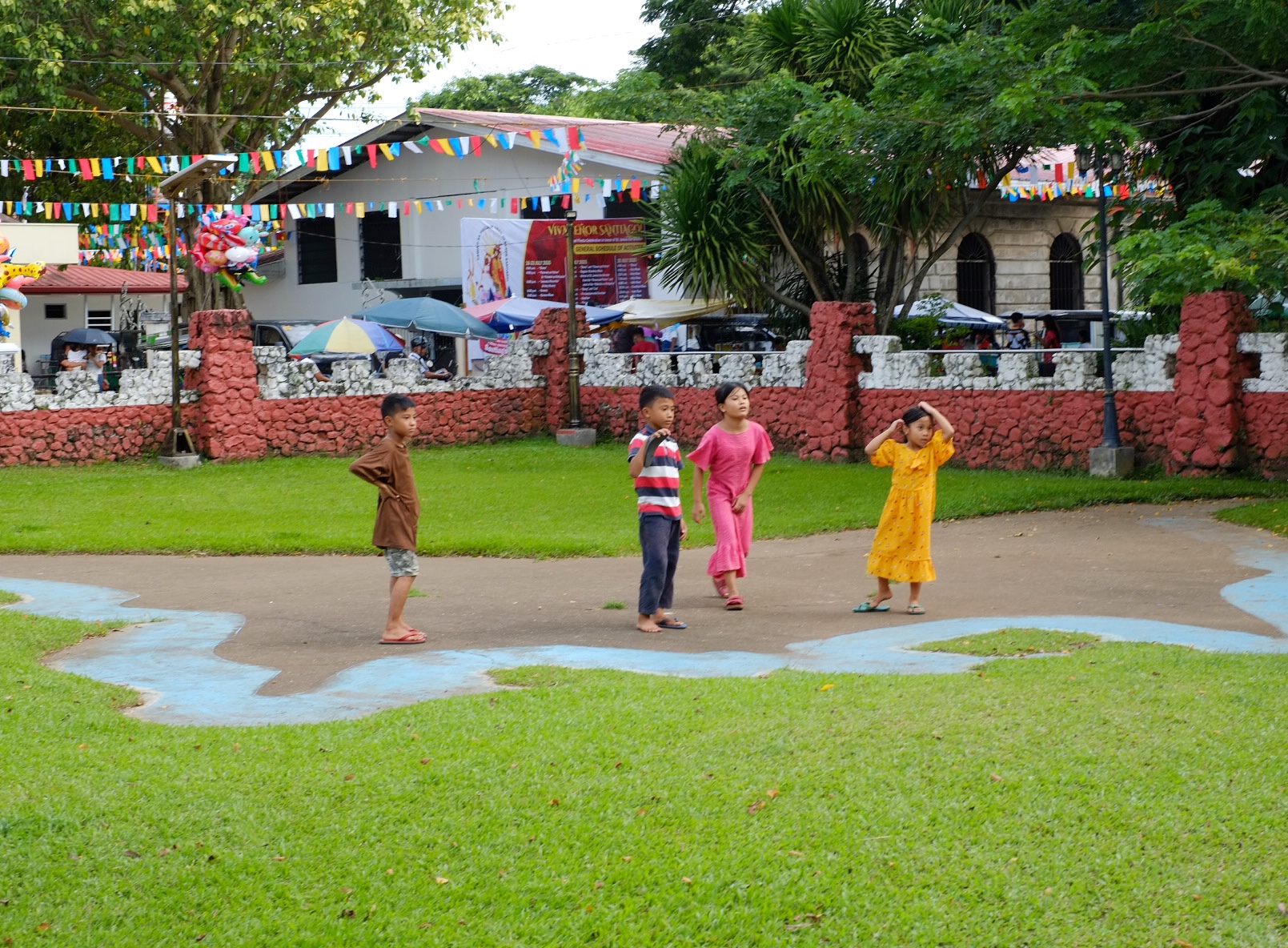
Right: Rizal’s students, including Jose Aseniero, Fernando Eguia, Mateo Edjawan, and Romulo Hamak, assisted in creating the relief map of Mindanao by collecting materials such as stones, soil, and grass for the beautification of Dapitan | click here to get re-directed to wikipedia relief map of Mindanao
Rizal used this map as a motivating device in teaching geography and history to his pupils during his lonely but productive banishment in Dapitan from July 17, 1892 to July 31, 1896 (Inscription). This unique Relief Map of Mindanao served not only as a teaching tool but also as a visual representation of the rich cultural and historical landscape of the Philippines, allowing his students to connect deeply with their country’s heritage. St. James Church is located across the Relief Map of Mindanao, and used to be Rizal’s place of worship, where he found solace and spiritual nourishment amidst the challenges of exile. The church, with its serene atmosphere, provided Rizal a space to reflect on his thoughts and aspirations for the nation, strengthening his resolve in the face of adversity while nurturing the minds of the youth around him.


.
Meeting friends at the Jose Rizal Monument in the town plaza just across the St. James Church
Dakak Beach Resort
Dapitan is home to Dakak Park and Beach Resort, one of the Philippines’ well-known white-sand beach destinations with clear turquoise waters, snorkeling, and water activities. Dapitan City sits on a narrow coastal plain along Dapitan Bay on Mindanao’s western coast. The landscape blends sea, shore, and green hinterlands into a calm, sunlit scene.


.
.
The beautiful travel to Dapitan is a humble introduction to the rich historical culture of the Philippines. Months before this travel I’ve delve deep into Rizal’s work most notably his two novels, Noli Me tangere and El Filibustirismo. I wanted to express my longing to learn Philippines history and travel as a way to navigate this intricate cultural experience and historical significance. From Dakak resort’s pristine beach that beaconed Rizal’s poetic inclination to strolling down sunset boulevard, the tidal breathe saturate as the soft pitch of the wind slide along the rolling hills that etch into my senses. Dapitan is a gem that truly pulsate a yearning to be discovered; to enhance one’s submersive perspective into the Philippines significant rich history.
Today the irony of being exiled to Dapitan is nothing short of a retreat or a paradise. It is a destination to every Filipino’s longing to learn the very fabric of the mother land. Ever citizen, child, middle age and every person that find culture the center of travel. Experience Dapitan to experience its poetic parallel written by our very own national hero.


.
Today along Sunset Boulevard, you can enjoy the undisturbed landscape with no erected buildings to block the horizon and the elegant countryside of green along endless shorelines and rivers that snake through the valley. Enjoying a small gathering showcasing talents and theatrical plays is a reminiscence of a social gathering in the novel Noli Me Tangere that’s played out in the city plaza. Dapitan is truly a living novella, a parallel to a once poetic era in our present time of digital noise and social disconnect.
Mi Retiro (My Retreat)
To conclude this sentiment, I leave you with a profound poem that speak through the fabric of time. Mi retiro, my Retreat, A short Spanish-language poem by Dr. Jose Rizal reflects on withdrawing from the noise of the world to pursue contemplation, study, and moral improvement. It expresses a Romantic-era idea that solitude can sharpen one’s mind and heart, and that such personal retreat can ultimately serve a higher purpose for the country.


.

.
The sea, the sea is everything! Its sovereign mass
brings to me atoms of a myriad faraway lands;
its bright smile animates me in the limpid mornings;
and when at the end of day my faith has proven futile,
my heart echoes the sound of its sorrow on the sands. continue reading
Outro:
After his death, a vibrant tapestry of religious movements began to flourish, passionately interpreting Rizal’s life and works through a deeply spiritual lens. Known collectively as Rizalista (Rizalism), these movements elevate Rizal beyond the mere confines of a national hero, embracing him as a divine figure or prophet. This fervent deification process was ignited by an exhilarating mix of indigenous beliefs, the profound tenets of Catholicism, and the compelling socio-political landscape of the time.
The Iglesia Watawat Ng Lahi (Church of the Banner of the Race) movement holds a heartfelt reverence for Rizal, viewing him as a divine figure who continues to inspire countless individuals. With deep respect, the church integrates rituals and beliefs that echo his profound teachings. Its practices encompass regular services dedicated to honoring Rizal’s memory, fostering a sense of community, and promoting his enduring messages of peace and enlightenment that resonate with the hopes of many.
.
recommended books to read prior to your visit:


Thank you for the coffee!
 travellightseetheworldright.com