cover photo: budapesti belvárosi ferences templom. The Baroque-style Inner-City Church of the Franciscans, a beautiful view from our hotel suite. Shot at f/11 at 2 sec. Fuji xpro-1, Fuji 16 mm f/2.8.
The two-day visit in Budapest with the family was more than a tour of the grand architecture, intricate castle and the stunning hillside views. It was a true historic punctuation amenable through the children’s perspective and its vital role in captivating the intricacies and neutrality in opening discussions on war and its consequences; the after effect and the poignant reminders it implies.
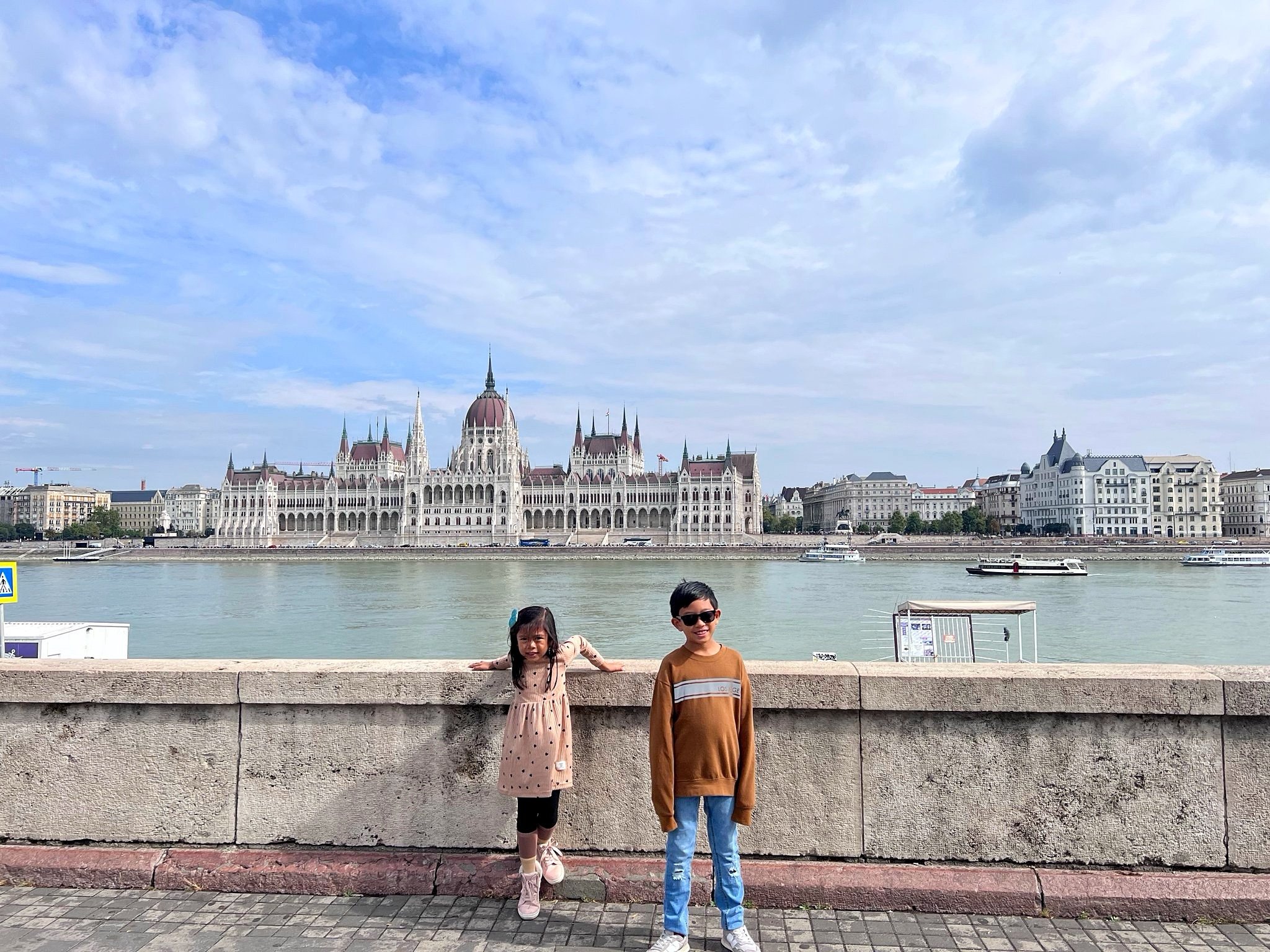
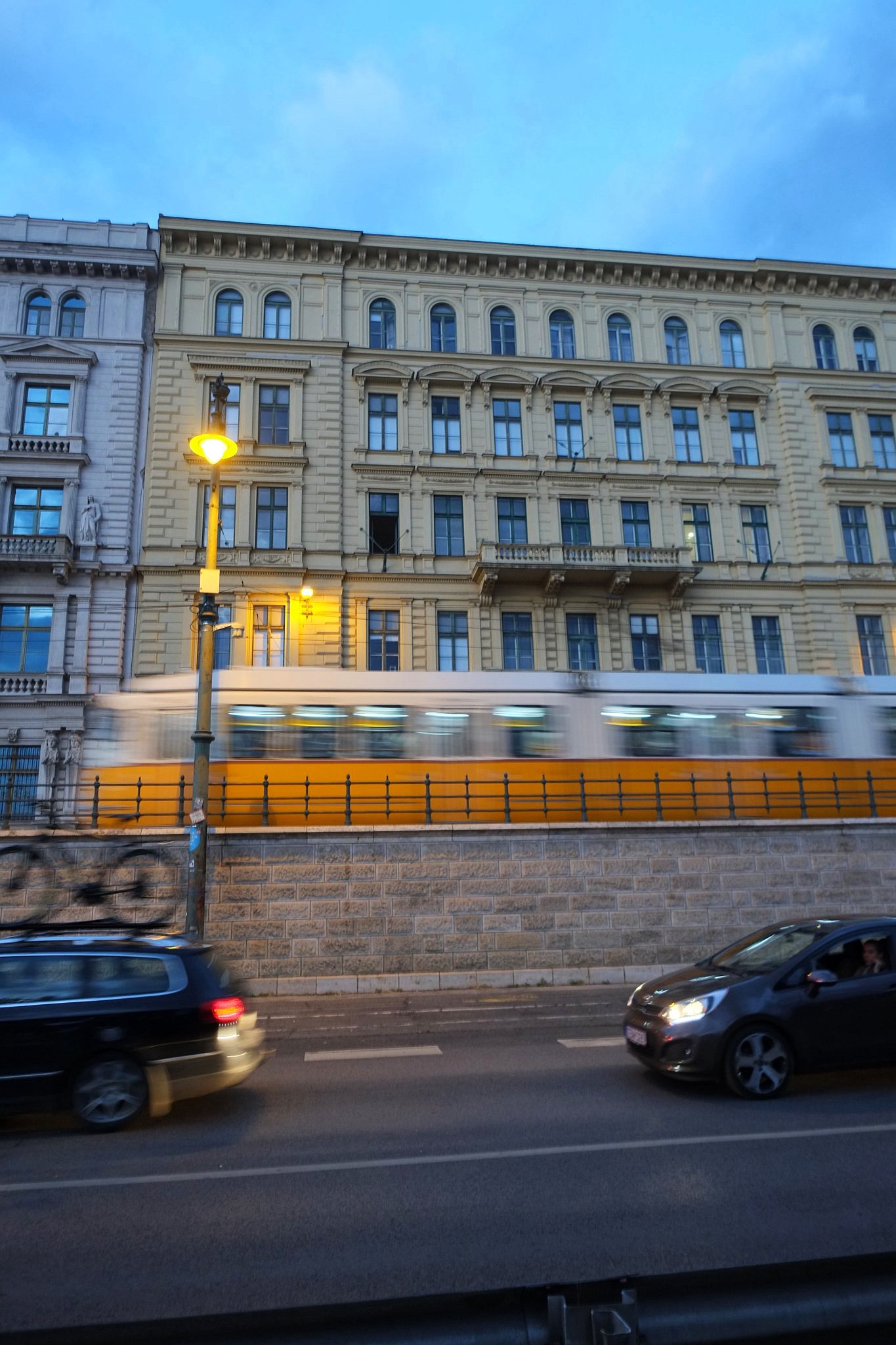
While strolling along the wide Danube river, the picturesque town sweep in unison snaking its way to cobble streets and the old yellow locomotives play a pleasant tilt shift effect to the naked eye around the city center and open parks. A great way to slow down and enjoy this curated pit stop from the previous days travel from Prague. The reward of this travel comes to a pleasant accommodation in one of Hyatts unbound collection in the heart of the City where we put on robe towels after a nice bath and cuddle in heavy soft Hungarian pressed linen encapsulating time and its golden and Baroque era. The open window whisper a slow elegant breeze from the nearby Danube river with the warm ambient light decorating the streets playing reflected florals within the hotel room.
Párisi Udvar Hotel Budapest- The unbound collection by Hyatt

We journey through time in the award-winning Párisi Udvar Hotel Budapest, perfectly situated in the heart of the city, just moments from the Danube River and a short stroll from St. Stephen’s Basilica and the Great Market Hall. The hotel, once a grand luxury shopping arcade and now beautifully restored, is a 19th-century masterpiece that preserves its timeless charm while embracing contemporary sophistication. We discovered our stylish family suites upgrade blended historic character with modern comfort. For breakfast gatherings, the distinctive venues provide an unforgettable setting for my family as its timeless designs transport one to where small talks are enjoyed over meticulous pressed coffee, elegant mosaic design and its dome arches inviting the skies in soft diffuse morning light.

Párisi Udvar Hotel Budapest is a stunning fusion of artistry and imagination. This hall made a functional dining area an era of art and sophistication. Its walls and archways confidently showcase a sophisticated language of motifs, oriental patterns, and symbolic flourishes, all within the refined elegance of European design. Here, Arabic, Moorish, and Gothic influences seamlessly blend with world-renowned Hungarian ceramic tiles. Light dances through the exquisite stained glass by Hungary’s legendary Miksa Róth, while the Villeroy & Boch tiles underfoot resonate with over a century of exceptional craftsmanship.
The adventure
Handling an early morning commute after a restful night’s embrace in elegance and comfort, my two well-versed children have overcome time and time again the inconvenience of travel, deserving every pampered short window of time can offer. The journey is much easier this time around as Joel and India have refined their idea of travel and wakefulness. The buses and railways that interconnect to virtually every corner and to the waterways make the commute convenient. An unhurried way of exploring this rich and historic city elevates every charm; every foliage and every whiff of freshly baked bread, the freshly ground beans and into their final extraction instills within one’s senses. A little uphill stride along the breezy midday sun encapsulates a sense of nostalgia and really offers a peaceful stroll winding its way to castles and grand panoramas that paint a multitude of vistas overlooking the picturesque Pest side.

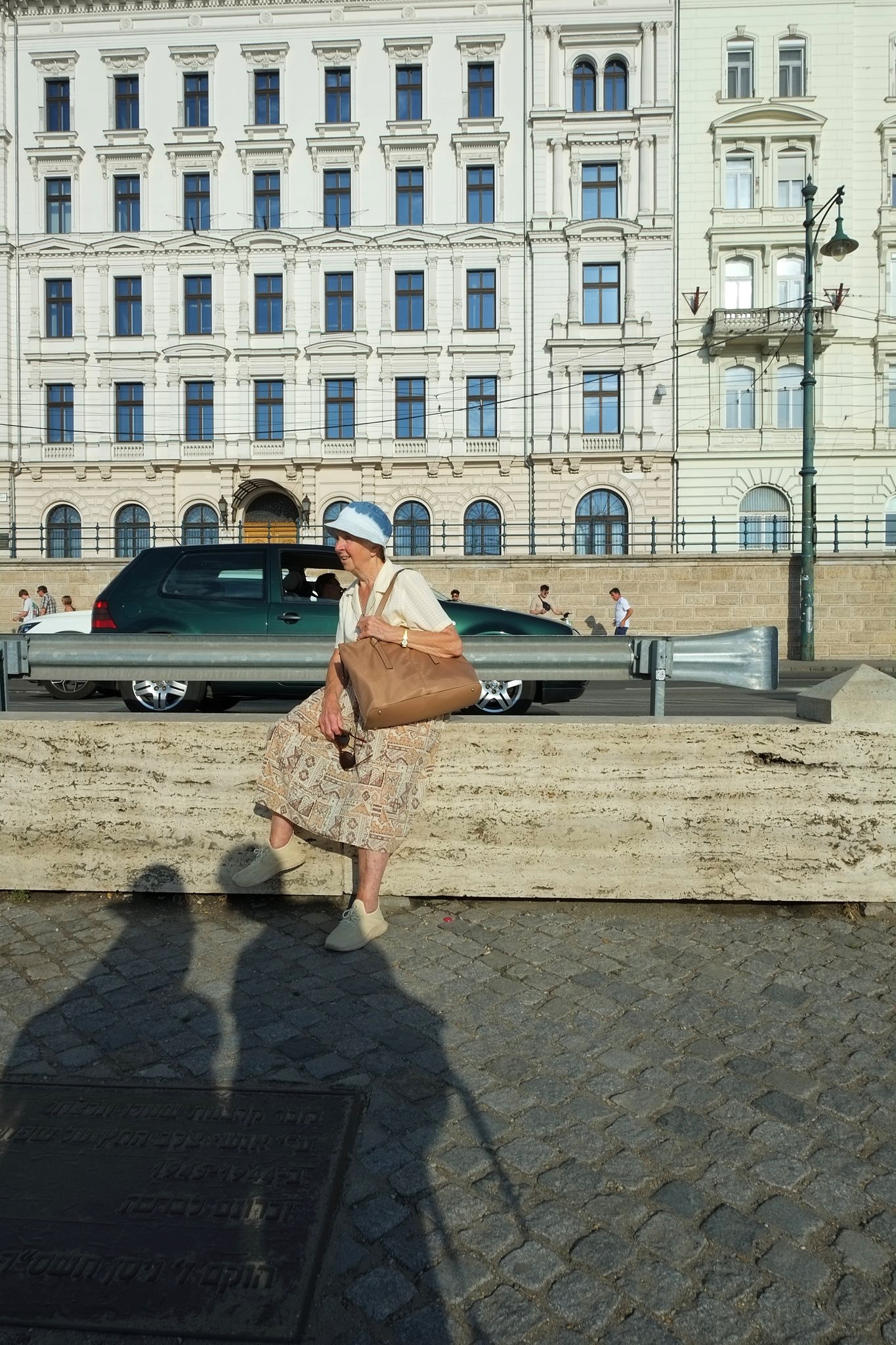
On this day, my family focused our adventure finding two historic importance within the city that I think should be on everyone’s must-see list. We had the meaningful opportunity to discover the miniature sculpture Sad Tank by Mihaly Kolodko, a poignant symbol that expressed a powerful anti-war message, and just across to the Buda side, the Shoes on the Danube Bank, which served as a heart-wrenching memorial honoring the thousands of lives lost in Budapest during the Second World War. This experience offered an invaluable introduction for the children to understand the deep repercussions of war and the essential significance of peace for a nation.
The sad tank


The very scale of this miniature bronze tank, its petina implicating timeless virtue, can be seen here as India playfully and thoughtfully learn about the Hungarian invasion.
The bronze sculpture on Bem Quay, facing the Hungarian Parliament, symbolizes Hungary’s struggle for freedom during the 1956 Soviet invasion. Its inscription “Ruszkik Haza!” reflects the anti-Soviet sentiment of the time. The tank’s downward-curving gun barrel represents peace, highlighting the futility of conflict. By placing it near the Parliament, the sculpture encourages reflections on historical events and the ongoing fight for democracy and human rights.
Mihály Kolodko, the artist
Mihály Kolodko is a Ukrainian-born “guerrilla sculptor” renowned for placing dozens of striking bronze statues throughout Budapest and beyond. Kolodko expertly installs his mini-statues covertly, mirroring the street art style of Banksy. His celebrated works in Budapest honor a diverse array of figures and moments in Hungarian culture, featuring everything from beloved cartoon characters like the Checkered-Eared Rabbit to significant historical figures and events. The “sad tank” stands as just one of many hidden treasures by Kolodko that adventurous visitors can uncover around the city, each statue possessing its own fascinating story.
Shoes on the Danube Bank
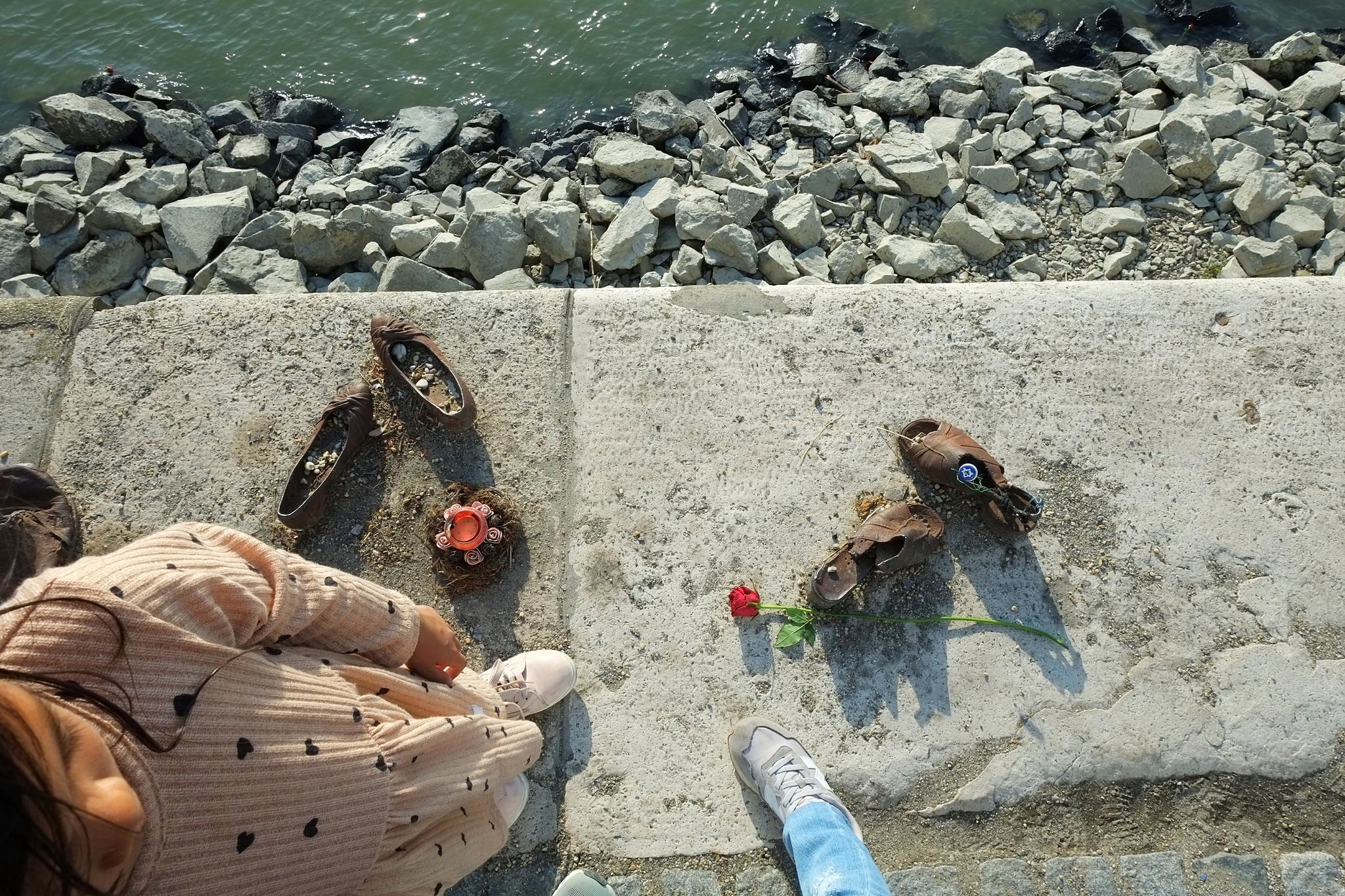
In the heart of Budapest along the peaceful Danube river lie a solemn tale that resonate with the pain of lost souls. The Shoes on the Danube Bank which serves as a heart-wrenching memorial honoring the thousands of lives lost at the hands of fascist Hungarian militia from the Arrow Cross Party in Budapest during the Second World War. The memorial honour thousands of people massacred in Budapest during the Second World War. Victims, as replicated here, were ordered to take off their shoes and were shot at the edge of the water so that their bodies fell into the river and were carried away. The memorial represents their shoes left behind on the bank. Each pair of empty shoes represent a lost soul honoring the 3500 people. Each sculpted shoes tell a story and a reminder to never again bring such atrocity to any human life.

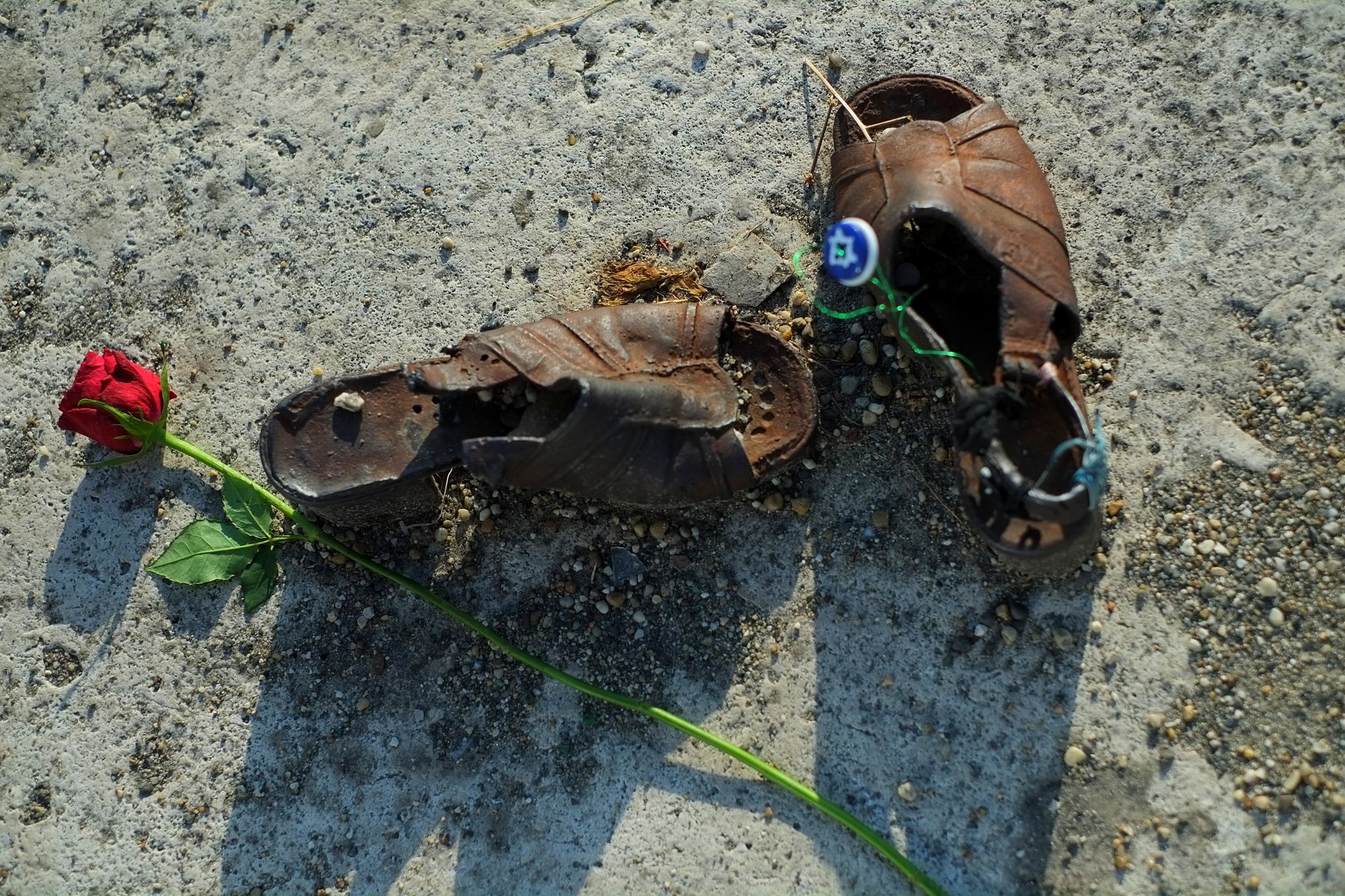
Although these two sculptures, separated only by the Danube River, symbolize the distinct nature of warfare, learning about them at an early age gives an understanding of the importance of grasping not only the historical context of these conflicts but also the broader implications they have on society and family. This education encourages critical thinking as the children explore the motives behind wars and their consequences. Furthermore, by discussing themes such as honor, bravery, and the tragic loss that comes with conflict, children can develop empathy and a deeper appreciation for peace. Such knowledge enlightens perspective on the complexities of human interaction in times of strife and cooperation.
Other must do’s and sights to see
Shifting our focus to a more touristy side of Budapest, we immersed ourselves in the vibrant culture and stunning architecture around the city. From the majestic Parliament building standing tall on the banks of the Danube to the picturesque vistas from Fisherman’s Bastion, every corner reveals a piece of history waiting to be uncovered. Here are a few of the key highlight activities we enjoyed together as a family.

Budapest confidently emerged as a unified city from three distinct entities—Buda, Óbuda, and Pest—back in 1873. By 1880, the Diet decisively chose to construct a new, representative parliament building, solidifying the nation’s sovereignty.
Taking the funicular to Buda Castle was a delightful relaxing family adventure, combining stunning views and a nostalgic ride especially for the kids. As we ascended, the historical significance of the UNESCO World Heritage site enhanced our exploration, igniting our children’s curiosity about Hungary’s culture and heritage. We created unforgettable memories while capturing the breathtaking landscape and the Danube River, and enjoyed panoramic views from Fisherman’s Bastion, all while taking a break in between enjoying pleasant breeze without tiring the kids out. We walked a few more through the heart of hillside Buda to be greeted by the magnificent Matthias Church and the castle district gardens. A quick lunch with incredible vista view and ice cream followed by a playful hour in a nearby park with a fortress-themed playground was an expression on the kids face that’s lingered throughout the day.

From the Fisherman’s Bastion in Budapest, one of the city’s most romantic and visually striking landmarks, perched high on Castle Hill in the Buda district is a his Neo-Romanesque terrace offer a stunning view of the Parliament.
Other landmarks noteworthy and must do’s on your travel (which we unfortunately did not have the chance to visit due to time constraint) are casual dinner in the Castle District with kid-friendly dishes. An optional sunset hike up to Gellért Hill for a sweeping view of the city lights. Széchenyi Thermal Bath or Gellért Spa for a relaxing days retreat. Heroes’ Square and the nearby Museum of Fine Arts (opt for kid-friendly highlights or a quick pass through the garden areas if the kids need a break from galleries).
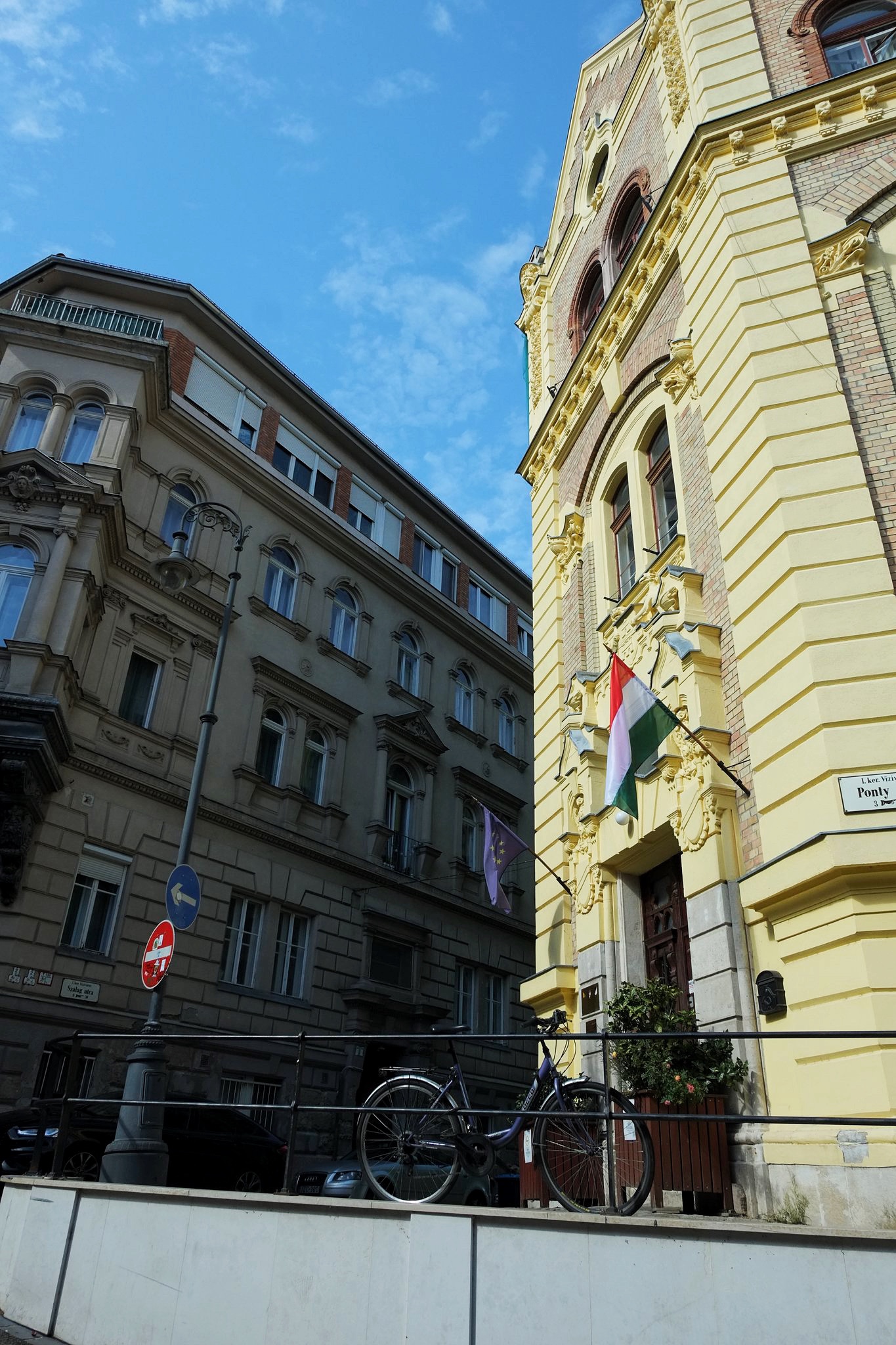
Making our way back to Pest side, we enjoyed a short night walk to catch the Parliament lights. (although it can be equally stunning sunset view from a nearby bridge). The river felt like a moving stage. Every corner offered a story with beautiful street lamps and gentle locomotive sound making a magical easy stroll along the Danube river; a time travel down historic pretense.

Food and Feasting and a Kid-Friendly Finds
Budapest bursts with a culinary heart, and its vibrant food scene is an adventure in itself for families. Imagine biting into a warm lángos, its crispy surface giving way to a luscious topping of sour cream and cheese—an absolute hit with kids and adults alike. Don’t miss the comforting bliss of goulash and chicken paprikash; savor them with soft bread or fluffy dumplings. And then there’s the enchanting chimney cake (kürtőskalács), a spectacle to see being prepared, and a complete delight when enjoyed with the family. For those in need of a quick bite, charming cafés offer delightful fruit cups and pastries, ensuring that you don’t miss out on the flavors of Budapest, even on a busy day schedule!
Tip: many places in touristy areas offer English menus, but it’s always helpful to point at a picture or ask for “gyerek menü” (kids’ menu) if your kids are picky about textures or spice.
Practical Tips for Families

Budapest’s public transport is very family-friendly. Consider a daily pass or a Budapest Card for convenience and occasional discounts at attractions. Some cobbled streets and hilly areas can be challenging. A lightweight stroller for the city and a carrier for the more rugged sections can be a smart combo. Plan a slower pace, with “rest blocks” in parks or cafés between big sights. Budapest experiences seasonal shifts. Pack layers, comfortable walking shoes, and a compact rain jacket. Keep kids hydrated, have a quick snack stash, and opt for kid-friendly hours for baths and museums to avoid crowds. Safety is key to enjoying this vibrant romantic city.


Conclusion
Budapest surprised us with how easy it felt to explore with kids. It’s compact enough that you don’t spend hours in transit, and the public transport is clean, frequent, and easy to understand. The city blends grand architecture with playful corners: magical Danube vistas, fairy-tale castles, steaming hot baths, and parks where our kids could sprint between slides and sculptures.

We arrived in Budapest with two kids who believed every bridge held a secret, and left with a city that felt like a playground with history at every turn. Traveling with kids isn’t about cramming every monument into a single day; it’s about letting the city reveal itself in kid-sized doses of wonder. Budapest did that beautifully for us. The Danube kept us company and the hillside views felt like a treasure map the kids were eager to follow.
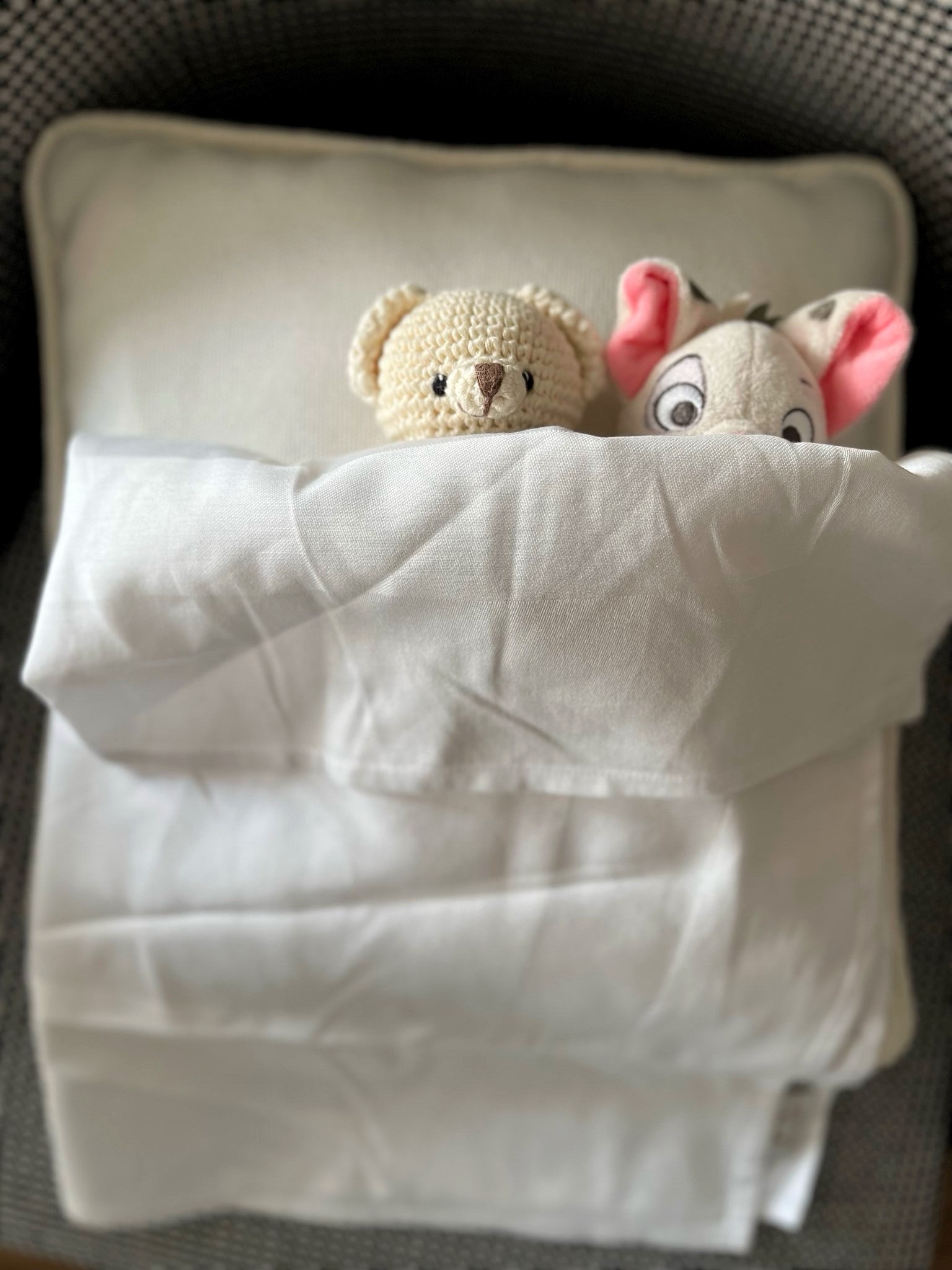
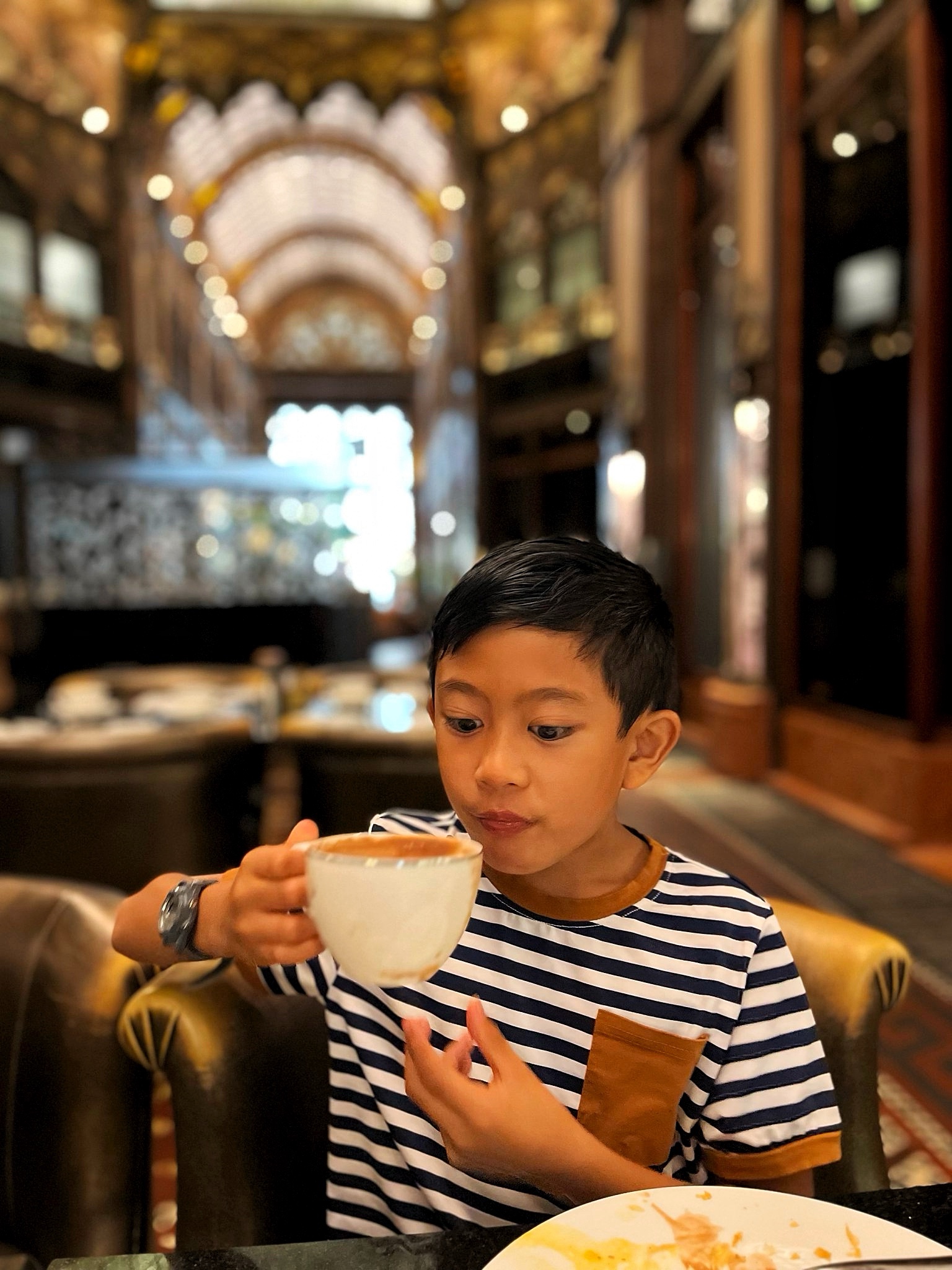
Magic played even through bedtime and the grand gesture of gratitude played at every turn as we enjoyed every moment with an easy stride and a mind to wander and reclaim small family talks over a hot cocoa.
If I had to choose one minor alteration from our trip, it would be to build flexible days with a few anchor moments (like a castle visit or even the hot bath we missed) and fill the gaps with small, joyful surprises (a carousel near the park, a fresh lángos stop, a river breeze in the evening). The moments we remember aren’t just the big landmarks; they’re the quiet conversations on the riverbank and the joy in finding miniature friendly sculpture learning about bits of important history with the grand backdrop of the Parliament.
The Goulash!


Dinner near the river, where we shared goulash and treated the kids to a sweet chimney cake to cap the day., Notice the tired India dozing off after a long day’s excursion.
We bid ourselves a farewell dinner in one of the many family-friendly venue with a stunning view of the river, providing the perfect ambiance for our last night in this magical city and space, where we had a chance to savor a delightful new Hungarian dish filled with savoury rich flavors. Of course we had to indulge in authentic Hungarian goulash at every chance we can. Its rich and savory stew brimming with tender meat, vibrant vegetables and the many local Hungarian cuisine expresses this city’s lifelong landscape of culture and locality. The culmination of this caricature of travel was enjoyed a in refreshing stride along the riverbank (India on my shoulders dozing in and out of oblivion), the gentle lapping sound of the water in the banks soothing our tired feet, reminiscing about our shared adventures and memories before finally making our way back to the cozy comforts of our hotel. This is a conclusion of our part 2 trip and onward to our third part of this journey through central and north eastern Europe.


Thank you for enjoying this journey as I relieve the special bond I had with my family learning about the people, its rich and deep history and the culinary expressions thats tied the very fabric of culture and tradition of Buda and Pest.
Thank you for the coffee!
 travellightseetheworldright.com